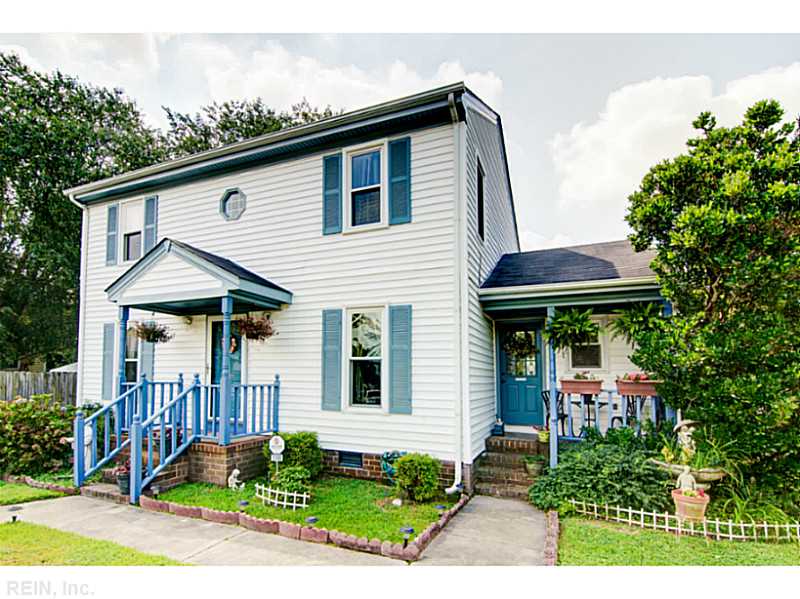
Why Entry-Level Hampton Roads Homes Close Slower and the Fix
If you are selling a home in the $150,000 to $250,000 range in Hampton Roads, you are probably going to get plenty of interest. Showings will happen. Offers will come. That part of the market is active.
Here is the part most sellers do not see coming.
Once you accept an offer, the clock starts running against you in a way it does not for pricier homes. Appraisals get reviewed carefully. Inspections turn into repair conversations. Lenders come back with condition items. And what should have been a 30-day close turns into 45, 60, or in a few cases 90 days of back-and-forth, missed timelines, and lost leverage.
In my 13-year record of 441 closed transactions in Hampton Roads, homes under $200,000 took a median of 54 days from listing to closing. Homes above $600,000 took 12. That is not a small gap, and the reason is not that entry-level homes are less desirable. The reason is that entry-level homes carry more moving parts between offer and closing, and most of those moving parts are things a well-prepared seller can address before the sign ever goes in the yard.
If you understand where the timeline actually goes and address the right items up front, you can shave weeks off your close. Here is what really happens, and what to prepare for before you list.
The Real Reason Entry-Level Sales Take Longer
Three things drive most of the timeline gap between entry-level and mid-to-luxury sales in this market, and none of them are about the home being unwanted.
Government-backed loans are the backbone of the entry-level buyer pool, and that is a good thing. In my closings under $200,000, more than half of buyers used a VA loan, FHA loan, or VHDA loan. These programs are what make homeownership possible for millions of military families, first-time buyers, and working households across Hampton Roads, and I am proud that VA buyers make up a huge share of my career book. What sellers should understand is that these loan programs also come with strong buyer protections built in, including formal property condition standards that ensure the home the buyer is purchasing is safe, sound, and sanitary. Those protections are one of the reasons VA and FHA buyers are such strong long-term homeowners. They also mean the appraiser will look closely at a specific list of condition items before clearing the loan, and if any of those items need attention, the timeline extends while they are handled. Above $600,000, only 20 percent of my buyers used a government-backed loan, which changes the mix of appraisal reviews and is part of why those sales tend to close on shorter timelines.
Property condition matters more in older, lower-priced homes. The entry-level Hampton Roads housing stock tends to be older, with more deferred maintenance and more items that any careful appraiser will note during the inspection process. Peeling paint on a pre-1978 home. Wood rot on trim or fascia. Missing handrails. Roof issues. Any one of those items can pause a closing while the seller and buyer work through who addresses what.
Buyer financing takes more coordination. Entry-level buyers are often in the middle of the pre-approval process, saving for closing costs, or in the final stretch of a lender's underwriting review. These are outstanding clients who become excellent homeowners. The transaction just involves more moving pieces, and each of those pieces takes time.
Those three factors, stacked together, explain the 54-day median. Address them before you list, and your sale can close well inside that window.
The Prep List That Actually Matters
Here is the specific list of items that most commonly extend Hampton Roads entry-level sales. Every one is far easier and cheaper to address before you list than to negotiate under contract pressure with a deadline looming.
Peeling or chipping paint on any home built before 1978. This is the number one appraisal call-out in Norfolk and older Virginia Beach neighborhoods. The VA and FHA both treat pre-1978 paint issues as lead paint hazards and will require them addressed before the appraisal clears. If your home was built before 1978, scrape and repaint before listing. Interior and exterior.
Wood rot on exterior trim, soffits, fascia, deck framing, and window frames. Hampton Roads humidity guarantees that any home more than 10 years old has some soft wood somewhere. Walk the exterior. Push on trim and framing. Anything that gives, replace or repair.
Roof condition. Missing shingles, exposed nails, visible flashing issues, or a roof approaching the end of its life will slow a closing. If your roof is more than 15 years old, get an inspection and either repair it or price the home to reflect its age honestly.
Handrails on stairs and decks. Any open stairway or deck without a code-compliant handrail is a condition item. This is a $50 to $200 fix that costs weeks if handled after the appraisal.
Broken glass, torn screens, missing outlet covers. Small items that appraisers note consistently. Walk the home with a clipboard before listing and fix every one.
Moisture, drainage, and crawlspace issues. Standing water in a crawlspace, evidence of past flooding, or grading that pushes water toward the foundation will slow or derail a deal. Address drainage before you list, and clean and treat any crawlspace issues.
HVAC service. A recently serviced HVAC with documentation is a quiet asset in negotiations. A questionable HVAC unit is a leverage loss.
Termite inspection. Hampton Roads has heavy termite pressure and a Wood Destroying Insect report will be required at closing on most VA and FHA loans. Get the inspection done pre-listing, address any findings, and have the clean report ready to hand to the buyer's lender.
Address these items before your home is on the market, and you clear the way for a smooth, timely close for you and for the buyer who is buying your home.
Pricing Is Half the Battle
The other half of a smooth entry-level close is pricing accurately from day one. Homes in this band do not have room for a "list high and see what happens" strategy. Entry-level buyers are payment-sensitive and rate-sensitive. A home that lingers signals a problem, whether or not one exists, and the price reductions that follow rarely restore the leverage the seller had in the first week.
Price to the actual comparable sales in your neighborhood, not to what your neighbor got in 2021 during the frenzy. Not to what the online estimators say. To what recent, comparable, closed sales inside a half-mile radius of your home actually cleared. A working listing agent will pull that data for you, walk you through it, and recommend a strategy that fits your specific timeline and priorities.
This is the discipline that separates a well-run sale from a frustrated one, and it holds true in every entry-level neighborhood in the region, from Kempsville to Ocean View to Bayview, and across the north side of Norfolk through Suburban Acres, Pinehurst, Belvedere, and the greater Wards Corner area.
Why the Mid-Tier and Luxury Markets Move Faster
Once you get above the $400,000 band, the transaction has fewer moving pieces. Buyer financing tends to be conventional or cash, and the condition review process is more streamlined. Homes in newer construction or in well-maintained luxury neighborhoods typically have fewer items to address. And luxury buyers who have identified the right property tend to move decisively rather than shop for months.
This is why my closings above $600,000 hit a 12-day median. It is not that these homes are more desirable in some absolute sense. It is that the transaction itself is more streamlined between offer and closing, and the market rewards a well-prepared listing with speed.
Across Hampton Roads' luxury waterfront market, and in premium neighborhoods like Alanton, Bay Colony, Princess Anne Hills, and the North End on the Virginia Beach side, and Larchmont and Edgewater, Lochaven, Ghent, and West Freemason on the Norfolk side, the fast-closing pattern is consistent. Correctly priced homes in these neighborhoods draw serious, decisive buyers and move quickly. The same holds true along the Shore Drive corridor, where well-priced units at Cape Henry Towers, Chesapeake House, and Harbour Gate can close in days rather than weeks.
Luxury sellers still need to prepare their homes and price them accurately. The specifics look different, but the discipline is the same.
What This Means for You
Whatever price point you are selling at, the timeline of your sale is a lot more within your control than most sellers realize.
If you are selling an entry-level home, do the appraisal-anticipated prep work before you list. Get the inspection, address the items, price accurately, and put a home on the market that a lender's appraiser is going to clear cleanly. Do that, and you can close well inside the median, whether your buyer is using a VA loan, FHA, VHDA, conventional, or cash.
If you are selling in the mid-tier or luxury range, the discipline is the same in different clothes. Prepare the home. Price to the current market. Invest in professional marketing that reaches the actual buyer pool. Work with someone who has done it enough times to know where the moving pieces hide in your specific price band.
The 13-year data is the same for every seller. What separates a fast, clean closing from a drawn-out one is the work done before the sign goes in the yard.
Let's Talk
If you are thinking about selling in Hampton Roads and you want a walk-through of your specific home, what a lender's appraiser is likely to look at, what the current comparable sales in your neighborhood support, and how to prepare and price the home for the fastest, cleanest sale the market will give you, let's have that conversation.
I will walk your property, run the numbers, tell you what needs to be addressed and what does not, and give you a real timeline based on what my closed record and the current market are actually doing. No script. No guesswork.
Related Reading
Four Eras, Same Agent: How the Hampton Roads Real Estate Market Rewrote Itself Between 2014 and 2026
About the Author
John King is a U.S. Navy veteran and licensed Realtor with Berkshire Hathaway HomeServices RW Towne Realty, serving Hampton Roads including Virginia Beach, Norfolk, and Chesapeake. A designated Luxury Collection Specialist with more than 400 closings and over 13 years of local experience, he is known for a strategic, data driven approach to marketing homes and a straightforward, veteran's approach to his clients.
📱 757-270-3994
📧 [email protected]
🌐 www.757King.com
▶️ Hampton Roads Living on YouTube
Curious what your home is worth in today's market? Get a free home valuation and find out where you stand.
Related guides from John King
Written by John King, Navy veteran & REALTOR®, Berkshire Hathaway HomeServices RW Towne Realty · (757) 270-3994 · About John
