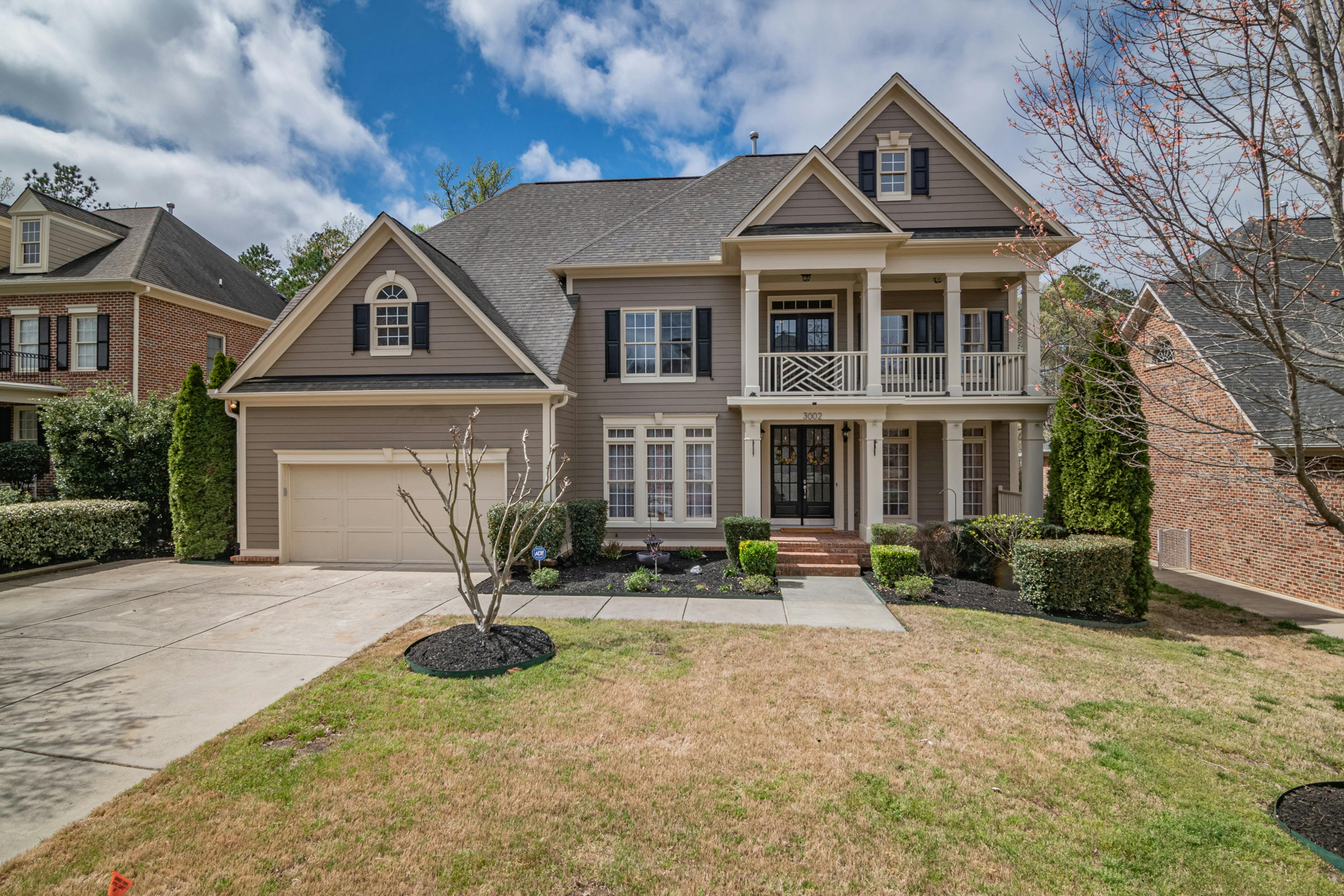
Sell My House in Virginia Beach: The Complete 2026 Seller's Guide
In short: The complete playbook: a 7 step process covering pricing strategy, preparation, marketing, negotiation, and closing. Price to current comparables, not to what a neighbor got in 2021. Everything here comes from 441 closings across 13 years in Hampton Roads.Selling a home in Virginia Beach is one of the most consequential financial decisions most people ever make, and in 2026, the market rewards sellers who are strategic and punishes those who are not. I am John King, a Realtor with Berkshire Hathaway HomeServices RW Towne Realty, and over the past 13 years I have personally closed more than 400 transactions in Virginia Beach, Norfolk, Chesapeake, and throughout Hampton Roads. I have helped sellers in every situation — routine move-ups, retirement relocations, military PCS departures, estate sales, and everything in between — extract every dollar their home was worth. This guide covers exactly what you need to know to sell your house in Virginia Beach the right way.
I am going to walk you through the current market conditions, what your home is actually worth and how to find out, how the selling process works step by step, what differentiates an average outcome from a maximum-value outcome, and why the agent you choose will be the single most consequential decision in this entire process.
The Virginia Beach Real Estate Market in 2026: What Sellers Need to Know
The Hampton Roads market in 2026 is active, competitive, and seller-favorable — but not unconditionally. According to REIN MLS data, the regional median home price is approximately $360,000, up 3.75 percent year-over-year. Average days on market is running around 21 days, faster than the prior year. Pending sales are up 11.95 percent year-over-year. Settled sales are up 7.06 percent. The demand pipeline is strong.
But here is what that data does not tell you: the market is bifurcated. Homes that enter the market correctly — priced to precision, marketed to the right audience, prepared to show well — are attracting multiple offers, selling above asking price, and closing efficiently. Homes that enter the market incorrectly — overpriced, under-marketed, or poorly presented — are sitting, accumulating days on market, requiring price reductions, and often closing below their true market value because buyers sense the blood in the water.
The difference between those two outcomes is not luck. It is strategy. And strategy starts before the sign goes in the yard.
What Is Your Virginia Beach Home Actually Worth?
This is the first question every seller asks, and it is also the question that most agents get wrong — not because they lack access to data, but because a true, accurate home valuation in Virginia Beach requires granular neighborhood knowledge that no automated tool can replicate.
Zillow estimates, Redfin estimates, and automated valuation models are notoriously unreliable in Hampton Roads because the market is hyperlocal. A home in Chic's Beach three blocks from the bay is a fundamentally different asset than a similar-sized home in Bayside two miles away, and no algorithm accounts for that adequately. I have seen Zillow estimates that were $40,000 to $80,000 off — both high and low — on Virginia Beach properties.
A real comparative market analysis done by an agent who has personally transacted in your neighborhood is the only reliable basis for pricing your home correctly. I provide these at no cost and no obligation. In my analysis, I will show you: what homes comparable to yours have actually sold for in the past 60 to 90 days, how long they sat on market, what they listed at versus what they closed at, any concessions made, and how current active competition compares to your property. That analysis is the foundation of every pricing decision I make with sellers.
The Seven-Step Process for Selling Your House in Virginia Beach
Understanding the process from start to finish eliminates the stress that comes from uncertainty. Here is exactly how selling a home in Virginia Beach works when done correctly.
The first step is the pre-listing consultation. This is where we sit down together — at your home — and I walk through the property, review the market analysis, discuss your timeline and goals, and develop a specific strategy for your situation. This is not a canned presentation. It is a real conversation about your home, your neighborhood, and what we need to do to extract maximum value.
The second step is pre-listing preparation. Based on my walk-through, we identify the highest-impact improvements to make before the home goes on market. This might be as simple as decluttering and fresh paint, or as targeted as a kitchen refresh, landscaping updates, or addressing a deferred maintenance item that will show up in inspection. The goal is to maximize perceived value while minimizing unnecessary spending — because not every improvement returns its cost at closing, and I will tell you which ones do and which ones do not in your specific market position.
The third step is professional photography, video, and marketing production. This is non-negotiable in my listings. Your home's online presentation is your first showing, and it happens before any buyer ever rings your doorbell. Every listing I take gets professional photography, a listing video, and full pre-launch marketing setup. If your online photos do not stop the scroll, buyers will never schedule a showing.
The fourth step is launching with full market exposure. On launch day, your listing enters the MLS, Zillow, Realtor.com, Redfin, and every major portal simultaneously. But that is just the baseline. My strategic digital marketing system simultaneously activates paid advertising campaigns across Facebook, Instagram, and YouTube — using data-driven audience targeting to reach buyers based on income level, zip code, life events, and behavioral signals. Your home is not just listed. It is marketed.
The fifth step is showing management and negotiation. I coordinate every showing, collect feedback, monitor activity patterns, and maintain communication with every buyer's agent who has shown interest. When offers come in, I analyze each one completely — not just the price, but the terms, the financing type, the contingencies, the timeline, and the buyer's financial strength. I present you with a full picture of each offer and my recommendation, but the decision is always yours.
The sixth step is contract management and due diligence. Once you are under contract, my job is to manage every detail of the transaction to protect your position. This includes coordinating the home inspection, managing any repair requests strategically, ensuring the buyer's financing is on track, and working with the title company to keep the closing on schedule. Most deals that fall apart do so during this phase because of poor communication and poor management. With 400-plus transactions behind me, I have seen every scenario that can emerge and I know how to navigate each of them.
The seventh step is closing. This is when you sign the documents, hand over the keys, and receive the proceeds from the sale. I will be with you at the closing table or have reviewed all documents in advance to ensure everything is in order before you sign a single page.
How to Price Your Virginia Beach Home to Maximize Value
Pricing is the most consequential decision in the entire selling process, and it is also the area where sellers are most often misled by well-intentioned but strategically incorrect advice.
The instinct to price high is natural. You have lived in this home, you have memories here, you have invested in it over the years, and you want to be paid for all of that. I understand that completely. But here is the market reality: buyers do not pay for memories and they do not pay for investments that were not made with resale value in mind. They pay for comparable market value, and they know it because they have access to all the same sold data your agent does.
Overpricing a home does not just fail to get you a higher price. It actively damages your outcome in three specific ways. First, it triggers a days on market penalty — after approximately two to three weeks on market without an accepted offer, buyers and their agents start asking why the home has not sold, and the answer they assume is always that something is wrong with it. Second, it filters out the most motivated buyers — serious buyers searching in your genuine price range will never see your overpriced listing because it falls outside their search parameters. Third, it guarantees a price reduction — and every price reduction is a public signal of seller desperation, which destroys negotiating leverage.
The strategic pricing zone I identify for every seller is a precise range designed to attract maximum qualified buyer traffic, create a sense of urgency, and position the home to receive competitive offers — ideally multiple — within the first week on market. This approach consistently produces higher final sale prices than the price-high-and-negotiate-down strategy, and I have 400-plus closings of transaction data to support that.
Marketing Your Virginia Beach Home for Maximum Exposure
Most agents in Hampton Roads list homes the same way. Sign in the yard. Lockbox on the door. MLS entry. Photos on Zillow. Then they wait. That is not a marketing strategy. That is passive distribution. And in a market where the best buyers are on social media, watching YouTube, and scrolling Instagram before they ever open a real estate portal, passive distribution is not enough.
My listings are different. Every home I take gets a dedicated digital marketing campaign that runs alongside the traditional MLS exposure. Targeted Facebook and Instagram ad campaigns use audience segmentation to reach buyers who match the profile for your specific home — military families near specific bases, buyers in income brackets aligned with your price point, people who have recently searched for homes in your zip code or neighboring areas. YouTube pre-roll ads feature your listing video. Retargeting campaigns follow interested buyers with your listing as they browse other websites. Database email campaigns go to my active buyer pipeline — buyers who have contacted me in the past six months and are actively looking in Hampton Roads.
The result of this system is that by the time your home is live on the MLS, there is already a warm pool of buyers who have seen it online and are primed to schedule showings. The first weekend of showings — which is the most critical window in any listing — is supercharged.
What Does It Cost to Sell a House in Virginia Beach?
This is a question I get every week, and sellers deserve a straight answer. The primary cost of selling a home in Virginia Beach is the real estate commission, which is negotiated between you and your listing agent. There is no legally mandated rate. The total commission structure, including the buyer's agent compensation, is something we discuss openly at your listing consultation.
Beyond commission, sellers in Virginia typically pay the Grantor's Tax and deed preparation fees as part of the closing cost structure. Depending on the condition of your home and your negotiation with the buyer, you may also pay for some portion of the buyer's closing costs — this is common in the Hampton Roads military market where buyers are using VA loans and seller concessions are often part of the deal structure.
The other cost of selling that most people do not think about until too late is the opportunity cost of getting the wrong agent. An agent who prices your home incorrectly, markets it passively, and mismanages the contract will cost you far more than any commission differential — because you will leave money on the table, accept a lower offer, or potentially watch the deal collapse during due diligence. The right agent pays for themselves many times over.
Preparing Your Virginia Beach Home to Sell
Presentation drives perception, and perception drives price. This is not subjective — it is baked into buyer psychology and reflected in transaction data. Homes that show well consistently sell for more and in less time than functionally similar homes that show poorly.
When I walk through your home before listing, I am looking through a buyer's eyes — specifically through the eyes of the buyer most likely to pay your asking price. I am not suggesting you renovate a kitchen or install a new roof before listing. Those investments rarely return dollar-for-dollar at closing. What I am looking for are the things that signal either care or neglect to a buyer in the first two minutes of a showing: cleanliness, odor, clutter, paint, lighting, and curb appeal.
For waterfront or waterfront-adjacent properties in neighborhoods like Alanton, Shore Drive, or the Great Neck waterfront corridor, dock and bulkhead condition matters enormously — buyers in those price points are paying for water access, and anything that raises questions about the condition of that access is a negotiating liability. I will tell you exactly what to address and what not to spend money on before we go to market.
Selling Your Virginia Beach Home as a Military Family
Hampton Roads is home to the largest concentration of military in the country, and military sellers have specific challenges that most Realtors have never navigated personally. I have. I am a U.S. Navy veteran — I served as a Machinist Mate — and I understand the PCS departure from the inside out.
Whether you are leaving on orders to Pensacola, Japan, or San Diego, you are not just selling a house — you are operating under a hard deadline, potentially managing the transaction remotely after your report date, and trying to avoid the catastrophic financial outcome of carrying two housing costs simultaneously if the sale drags.
I have executed dozens of PCS sales for departing military families in Virginia Beach, Norfolk, and Chesapeake. My process is designed for exactly this situation: early pre-listing preparation to maximize sale price, aggressive digital marketing to shorten market time, expert management of VA loan buyer transactions on the buyer side, and clear communication every step of the way so nothing falls through the cracks while you are focused on the move.
Choosing the Right Realtor to Sell Your Home in Virginia Beach
The agent you choose to list your home is the most important decision in this entire process. More important than the price you set, more important than the renovations you make, more important than the timing. Because the right agent will get the pricing right, manage the marketing aggressively, and negotiate the contract expertly — and the wrong agent will fail at all three.
Here is what I bring to the table that most agents in Hampton Roads cannot match. I have 13 years of full-time, boots-on-the-ground experience in this specific market — Virginia Beach, Norfolk, Chesapeake, and Hampton Roads. I have personally closed more than 400 transactions. I have won the HRRA Circle of Excellence Award 11 consecutive times, at the Diamond, Platinum and Gold tiers. I have been ranked in the top 1 to 3 percent of agents at Berkshire Hathaway HomeServices RW Towne Realty every year since my first full year in business. I have been the number one individual listing and sales agent in my office every year since 2015. I earned the BHHS 5-Year Legend Award — one of the highest production designations in the BHHS global network of 60,000-plus agents across 13 countries.
I am also a designated Luxury Collection Specialist through Berkshire Hathaway HomeServices, which means luxury properties I list get global syndication across 70-plus international portals in 37 countries, inclusion in the BHHS Prestige magazine distributed in premier airline lounges worldwide, and access to a referral network of 50,000-plus agents across 1,500 offices. For sellers in Alanton, Great Neck, Bay Colony, the oceanfront corridor, or any premium segment of the Hampton Roads market, this positioning matters.
And I am a U.S. Navy veteran who understands this community — the military culture, the PCS pressures, the VA loan dynamics, and the Hampton Roads lifestyle — in ways that most agents in this market never will.
What My Sellers Say
I will let the results speak. Sandra L. listed her Great Neck home on a Thursday. By Sunday she had multiple offers. She closed above asking price. James D. in Ocean Lakes needed to sell fast for retirement relocation — his home sold in 8 days at full asking price. After our third transaction together, John and Nelly Boring described our relationship as going "far beyond a typical business arrangement." I have 112 five-star Google reviews — every one of them verified, and every one of them the result of doing this job the right way.
First Impressions: The Three Moves That Decide a Showing
Buyers start forming an opinion before they touch the front door. In a market where they are weighing options carefully, that first impression decides whether they walk in leaning forward or already half checked out. Three moves change it.
1. Landscaping is the handshake of your home
If the outside looks neglected, buyers assume the inside is too. You do not need a full overhaul; you need visible care. Trim the hedges, edge the walkway, pull the weeds, refresh the mulch, power wash the driveway and siding, seed bare spots, and add a couple of potted plants at the entry. A home that looks cared for from the street sets an expectation that works in your favor through the entire showing.
2. Your front door sets the tone
A fresh coat of paint on the door is one of the highest-return improvements you can make before listing. Pick a color that contrasts with the exterior (deep navy, black, rich green, warm clay), polish or replace the hardware, update dated house numbers, swap a worn mat, and make sure the porch light works with matching bulbs. Buyers notice these seconds at the door, and they tell buyers whether you paid attention to the rest of the house.
3. Declutter and depersonalize
Buyers are not trying to buy your life; they are trying to imagine theirs. Personal photos, collections, and mementos keep the buyer focused on you instead of themselves. Remove about half of what is on display, clear the countertops, pack the photographs, thin the closets so they read as spacious, and pull oversized furniture that crowds a room. You are not erasing your home. You are creating space for the buyer to step into it.
Reading the Market Once You Are Listed
A listing starts sending signals the day it goes live: online views and saves, showing requests, buyer-agent feedback, and finally the shape of the offers. Sellers who read those signals and adjust early sell faster and for stronger numbers. Sellers who wait only for offers end up with a stale listing.
Online activity in the first 7 to 14 days. Low views and saves compared with similar homes point to photos, headline, or price. That is a positioning problem, not a market problem.
Showing volume. Clicks without showing requests almost always means price. Showings that come slowly usually mean the home is priced ahead of its competition.
Feedback and offer behavior. The themes in buyer-agent feedback (price, condition, layout, location) and the structure of offers (price vs. list, contingencies, financing) tell you exactly where the home stands with active buyers.
Look at the signals together, not in isolation. Strong online activity with slow showings is price. Strong showings with feedback about condition is presentation. Offers consistently below asking with similar terms is a pricing adjustment. Review performance at the two-week mark, not after one slow weekend, and act then. Homes that sit 60 to 90 days attract lower offers even when nothing about the house has changed, and sellers who wait usually end up cutting the price more than they would have if they had moved sooner. Not every issue is a price issue: sometimes the lever is new photos, refreshed staging, or a rewritten listing description.
Common Mistakes Virginia Beach Sellers Make
These are the five I see most often. Avoid them and you are ahead of most of the competition.
Overpricing based on what you paid, what you need, or what your neighbor is asking instead of what recent comparables support.
Skipping prep and photography because "the market is hot." It is not 2021 anymore. Presentation matters again.
Hiring the agent who promised the highest price instead of the agent who showed you the most realistic pricing analysis and the strongest marketing plan.
Taking the highest offer without running the net sheet. Gross price is not net proceeds.
Getting emotional during inspection negotiations and blowing up a good deal over a small repair request that could have been handled with a credit.
Frequently Asked Questions About Selling a Home in Virginia Beach
How long does it take to sell a home in Virginia Beach?
Well priced, well prepared homes typically go under contract in about a month. Overpriced homes can sit for 60 to 90 days or longer and usually sell at a reduced price.
What is the best time of year to sell a home in Virginia Beach?
Spring and early summer, roughly March through June, historically produce the highest sale prices and the largest buyer pool. The military PCS cycle brings thousands of families into the market each spring and summer, which creates strong demand for move-in-ready homes.
Do I need to make repairs before selling?
Not always, but strategic repairs almost always produce a higher net than selling as-is. Handle obvious cosmetic issues, small deferred maintenance, and curb appeal at minimum, and talk through big-ticket items like HVAC or roof before deciding.
Can I sell my Virginia Beach home without a real estate agent?
Yes, but for-sale-by-owner sales in Virginia typically sell for less than agent-represented sales and carry real legal, marketing, and negotiation risk. Most sellers net more with a strong listing agent. See the guide to selling a house in Virginia without a Realtor.
Should I sell my home before buying the next one?
It depends on your finances and the market. Many Virginia Beach sellers sell first and rent short-term, sell contingent on finding a home, or use bridge financing to buy first. Your agent should walk through the options against your specific situation.
Get Started: Find Out What Your Home Is Worth Today
If you are thinking about selling your house in Virginia Beach — whether you are ready to move in 30 days or just starting to think about it for next year — the best first step is a real conversation and a real market analysis of your specific property.
I provide free home valuations with no obligation. This is not an automated estimate. It is a thorough analysis of your home's market position based on real recent sales, current competition, and my 13 years of local transaction intelligence. I will tell you exactly what your home is worth in today's market, what I believe it can achieve with the right strategy, and what that strategy would look like.
Call me directly at (757) 270-3994 or reach out through 757king.com. I respond to every inquiry personally within one business day, usually much faster. Let us build a real plan together.
John King | KingRealtor757
Berkshire Hathaway HomeServices RW Towne Realty
Virginia Beach, Virginia
(757) 270-3994 | [email protected]
Related guides from John King
Written by John King, Navy veteran & REALTOR®, Berkshire Hathaway HomeServices RW Towne Realty · (757) 270-3994 · About John
If a sale is on your horizon, browse everything I cover in Virginia Beach.
