Belvedere, Norfolk: A Historic Granby Street Neighborhood
Belvedere is an established residential neighborhood along the Granby Street corridor in north central Norfolk, Virginia, positioned between the Ghent District to the south and the Wards Corner area to the north. Known for its solid brick homes dating largely to the late 1930s and 1940s, its central location, and its tree shaded streets, Belvedere offers the character of prewar and wartime Norfolk in one of the city's most convenient settings. This post is part of our guide to Norfolk's neighborhoods.
A Neighborhood of the Granby Corridor
To understand Belvedere, it helps to understand Granby Street, the spine it sits along. Granby Street was named in 1769 and grew over the following century and a half from a downtown thoroughfare into Norfolk's busiest commercial and residential axis. The electric streetcar arrived in 1894, and neighborhoods steadily took shape along its route as the city expanded northward.
The decisive moment for this part of Norfolk came in 1923, when the city carried out its largest single annexation, adding roughly thirty square miles of land and tens of thousands of residents to Norfolk in one stroke. That annexation opened large areas of former Norfolk County along the Granby corridor to residential development, and neighborhoods filled in through the following decades. Belvedere belongs to this era. The homes in the neighborhood date largely to the late 1930s and into the 1940s, placing its growth squarely in the period when the Granby corridor between downtown and the newly annexed northern reaches was being built out with substantial single family houses.
Between Ghent and Wards Corner
Belvedere's location is central to its appeal. It sits along Granby Street between two of Norfolk's most recognizable areas: the historic Ghent District to the south, with its turn of the century architecture, cultural institutions, and dining, and the Wards Corner area to the north, the mid twentieth century commercial hub at Granby Street and Little Creek Road that was once one of the region's premier shopping destinations.
That position places Belvedere within easy reach of a great deal of Norfolk. Downtown, the medical complex, Old Dominion University, the Lafayette River neighborhoods, and the naval installations are all a short drive away, and the Granby corridor itself provides a direct route through the heart of the city. For buyers who want a settled, established neighborhood with genuine architectural character and a location that reaches everything, Belvedere delivers on all counts.
The Homes of Belvedere
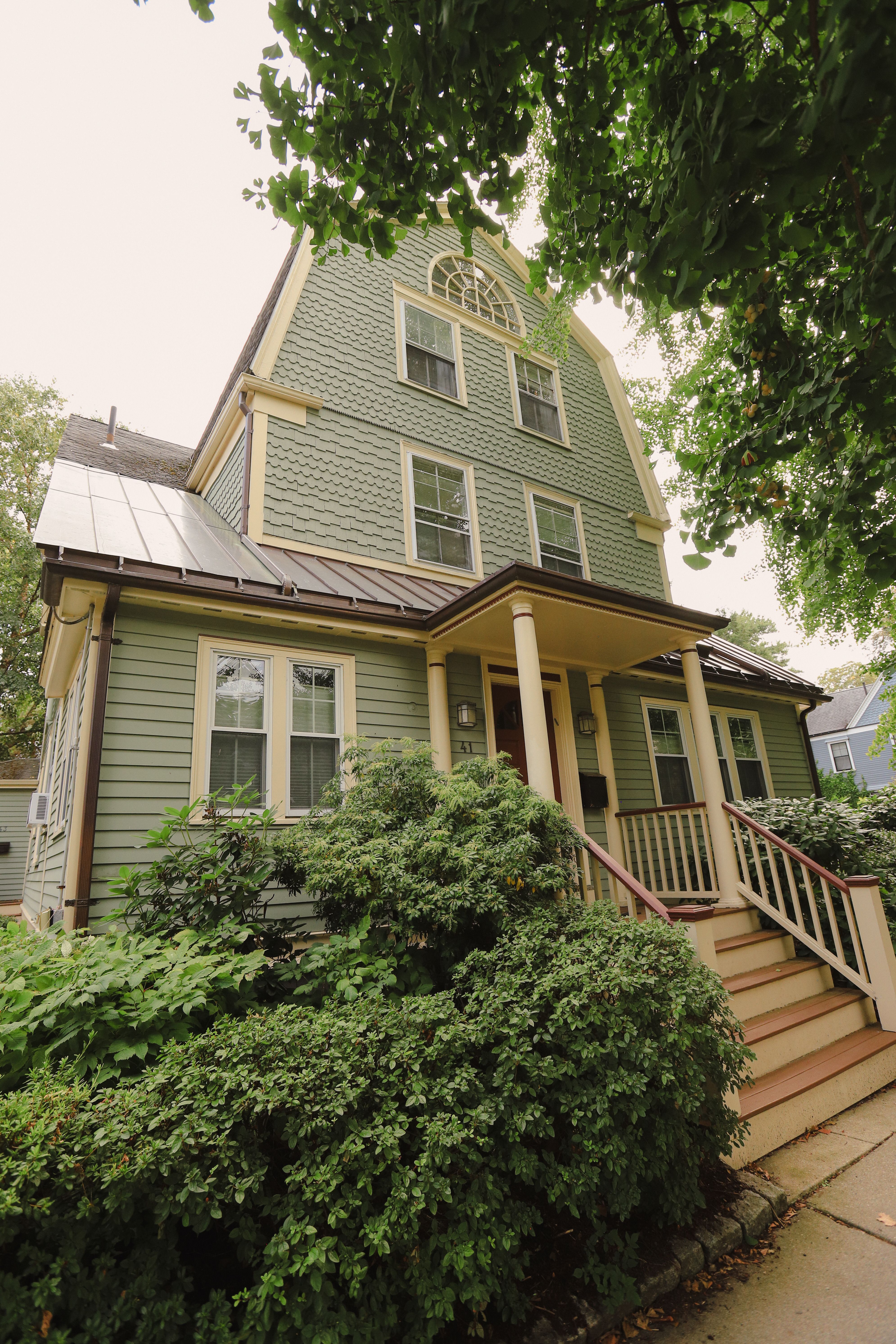
Belvedere is a neighborhood of substantial, well built homes from the late 1930s and 1940s, the sturdy brick construction and traditional detailing characteristic of that era in Norfolk. Streets such as Belvedere Road, Arden Circle, Dover Circle, Severn Road, and Windham Road carry homes that range from comfortable three bedroom houses to larger, more elaborate residences.
That range is part of what makes the neighborhood interesting. The typical Belvedere home is a solid, mid sized house from the prewar or wartime period, but the neighborhood also holds larger homes that stand apart in scale and finish. This mix of everyday character homes and occasional standout properties gives Belvedere a genuine spread of options within a single, cohesive setting.
The Belvedere Market
Belvedere is a tightly held neighborhood where homes do not come to market in high volume, so its sales record is best read as a picture of a desirable, stable market rather than a high turnover one.
The heart of the market sits in the middle range for Norfolk's established neighborhoods. Recently, the neighborhood's typical homes have sold and been listed largely in the high three hundred thousands to high four hundred thousands, with well kept historic houses drawing steady interest. Several homes have sold quickly and close to their asking prices, a sign of consistent demand for the neighborhood's character and location.
The upper end of Belvedere reaches considerably higher for its largest and most distinctive homes. In one recent sale, a spacious five bedroom home of roughly three thousand three hundred square feet on West Arden Circle closed at nine hundred twenty thousand dollars, showing that the neighborhood's finest properties can command a substantial premium over its typical range. Because larger homes like this come to market only occasionally, they represent the top of a market whose everyday activity centers well below that figure.
What This Means for Sellers
Belvedere rewards a seller who understands the neighborhood's range. A typical mid sized brick home from the 1940s and one of the neighborhood's larger standout residences are quite different products, appealing to different buyers and calling for different pricing and marketing. In a neighborhood where relatively few homes trade each year, an accurate read of where a specific home fits is especially important.
The recent record shows that well kept homes here sell steadily and close to asking when priced correctly, and that the neighborhood's finest homes can reach well beyond its typical range. Setting the right price and presenting a home's character, quality, and location to the right buyers is what produces a strong, timely sale. That is the work a knowledgeable local specialist brings to a Belvedere listing.
Key Facts: Belvedere at a Glance
Location: An established residential neighborhood along the Granby Street corridor in north central Norfolk, between the Ghent District to the south and the Wards Corner area to the north
Era: A neighborhood of substantial homes built largely in the late 1930s and 1940s, part of the residential growth along Granby Street following Norfolk's 1923 Great Annexation
Character: Solid brick homes with traditional detailing on streets such as Belvedere Road, Arden Circle, Dover Circle, Severn Road, and Windham Road, ranging from comfortable three bedroom houses to larger residences
Location advantage: Central to downtown Norfolk, the medical complex, Old Dominion University, the Lafayette River neighborhoods, and the naval installations
Market as of 2026: A tightly held market with typical homes recently in the high three hundred thousands to high four hundred thousands, and the largest homes reaching considerably higher, including a recent sale at nine hundred twenty thousand dollars
Frequently Asked Questions
Where is Belvedere in Norfolk?
Belvedere is a residential neighborhood along the Granby Street corridor in north central Norfolk, positioned between the historic Ghent District to the south and the Wards Corner area to the north. Its central location places it a short drive from downtown, the medical complex, and Old Dominion University.
When was Belvedere built?
Belvedere's homes date largely to the late 1930s and 1940s. The neighborhood was part of the residential development that filled in along the Granby Street corridor after Norfolk's largest annexation in 1923 opened much of the northern part of the city to growth.
What kinds of homes are in Belvedere?
Belvedere is made up of substantial brick homes from the prewar and wartime period, with traditional detailing, ranging from comfortable three bedroom houses to larger and more elaborate residences on streets such as Belvedere Road, Arden Circle, and Dover Circle.
How much do homes in Belvedere cost?
Recently, typical homes in Belvedere have sold and been listed largely in the high three hundred thousands to high four hundred thousands. The neighborhood's largest and most distinctive homes reach considerably higher, including a recent sale at nine hundred twenty thousand dollars. A professional market analysis is the best way to value a specific home.
What makes Belvedere a desirable neighborhood?
Belvedere combines genuine prewar and wartime architectural character with an unusually central location on the Granby Street corridor, between Ghent and Wards Corner and within easy reach of much of Norfolk. Its established, tightly held housing stock keeps well kept homes in steady demand.
Thinking about making a move here? Start with how I guide Hampton Roads buyers, backed by 441 closings across 13 years of Hampton Roads data.
Related guides from John King
Written by John King, Navy veteran & REALTOR®, Berkshire Hathaway HomeServices RW Towne Realty · (757) 270-3994 · About John
Buying or selling in Belvedere? See how I work as a Norfolk Virginia realtor.
