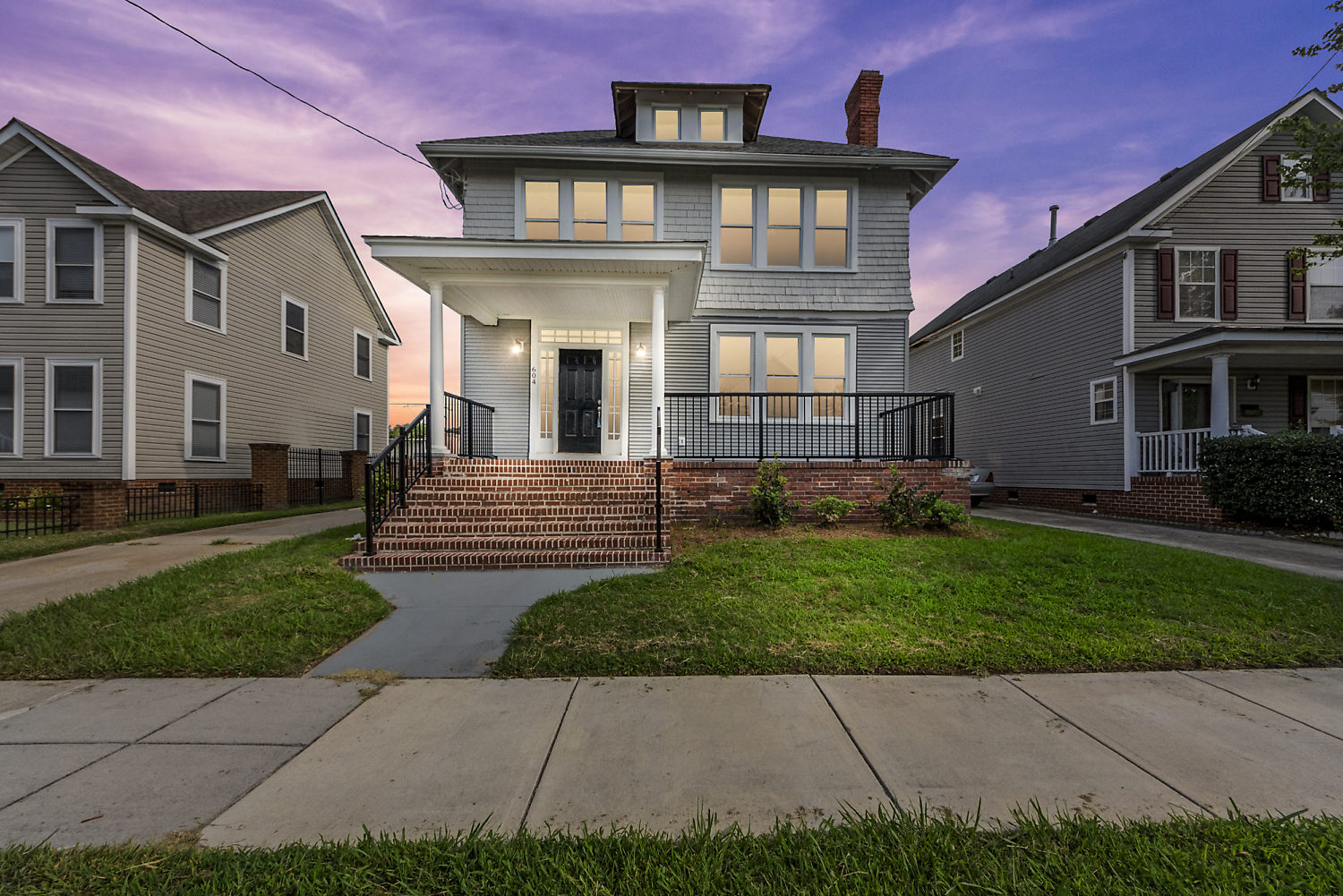
Selling a House During Divorce in Norfolk, VA: Local Guide
Selling a House During Divorce in Norfolk: The Local Complications to Plan For
Updated November 2026
In short: Selling a house during divorce in Norfolk follows Virginia’s equitable distribution law. Norfolk homes add four local complications: older homes that need preparation, flood zones that must be disclosed, waterfront homes that take longer to sell, and spouses who may be deployed. Plan for each one before you list.
Selling a house during divorce in Norfolk follows the same Virginia law as anywhere else in the Commonwealth. What makes it different is the house.
I’m John King, a Navy veteran and Realtor with Berkshire Hathaway HomeServices RW Towne Realty. Norfolk is a city I know closely:
96 of the transactions in my 13 year MLS record are here.
57 percent of my Norfolk closings were VA financed, the highest share of any city I work. That number reflects Naval Station Norfolk, and it shapes almost everything below.
If you want the full overview first, start with our guide to selling a house during divorce in Virginia Beach. It covers the four paths for the marital home and how Virginia’s equitable distribution framework works. The law is the same in Norfolk. This guide covers what changes when the house is here.
A note before anything else: this is general information, not legal advice. How the home is divided is a question for your divorce attorney. What a real estate professional adds is an accurate value both of you can trust, and a sale process that does not become one more thing to fight about.
The Law in Two Paragraphs
Virginia is an equitable distribution state under Virginia Code section 20-107.3. Marital property is divided fairly, which is not the same as automatically splitting it down the middle. The home is classified, valued, and then divided, whether through a sale, a buyout, or a transfer to one spouse. Divorces in the city run through Norfolk Circuit Court.
In practice, couples usually settle the house themselves rather than leaving it to a judge. And because the value of the home drives the whole conversation, the number you agree on matters more than almost anything else. That is where Norfolk gets complicated.
Why a Norfolk Home Is Harder to Value
Norfolk is one of the most block by block real estate markets in Hampton Roads:
A house on the Lafayette River in Larchmont and Edgewater and one four streets inland can be very different properties on paper and in price.
A restored home in Ghent or West Freemason can sit next to one in the same district that has not been touched in decades.
A bayfront cottage in East Ocean View and a similar home a few blocks back from the water can sell very differently.
The data backs this up. In my 13 year transaction record, median time on market can vary by a factor of four between ZIP codes within the same city. A regional average or an online estimate will be wrong in one direction or the other.
In a divorce, getting the number right does more than settle the argument. It also determines how long the two of you stay financially tied to the house. An accurately priced home draws its buyers in the first weeks, when listing traffic is highest. My listings in 2026 have gone under contract at a median of six days. That comes from preparation and from pricing to what the comparable sales actually support. An overpriced home sits, and every extra month is another shared mortgage payment, tax bill and insurance premium.
That is why a real comparative market analysis matters so much in a divorce. When two people already disagree, a vague number gives each of them something to argue about. A detailed analysis gives both of them the same evidence: the most genuinely comparable closed sales, with the adjustments shown.
If you still cannot agree, a licensed appraiser can provide a formal opinion of value. For a contested buyout, that is often the cleanest answer.
Older Homes and the Prep Cost Question
A large share of Norfolk’s housing stock was built before 1978. That matters in a divorce sale for three reasons.
Older homes need more preparation, and someone has to pay for it. These are the items a buyer’s appraiser flags:
Peeling paint
Wood rot on trim and soffits
Missing handrails
Aging roofs
Crawlspace moisture
Addressed before listing, they are usually modest fixes that keep the sale on schedule. Discovered after an offer, they cost four to six weeks and a round of negotiation. I covered this in detail in why older and entry level homes close slower.
Norfolk’s buyer pool makes preparation matter even more. With 57 percent of my Norfolk closings financed through VA loans, a large share of your likely buyers will use a loan program with property condition standards. Those standards exist to protect the buyer. A home that meets them before listing is open to the whole buyer pool.
In a divorce, the question is not only what to fix but who pays and how it is credited. Your agreement should say:
Whether prep costs are shared
Whether the spouse who pays up front is reimbursed from the proceeds
Who signs off on contractor work
Settle that in writing before anyone hires a painter.
If neither of you has the cash or the appetite for preparation, selling as is is a legitimate option. Just know that as is governs repairs, not disclosure, and that the trade usually shows up in the price.
Flood Zones, Waterfront and Disclosure
This is the most Norfolk specific issue on the list, and the one couples overlook most often.
A large part of Norfolk sits low and close to water. If your home is in a special flood hazard area, a buyer using a mortgage will generally be required to carry flood insurance, and that premium becomes part of the buyer’s monthly cost. Flood insurance and flood history can affect buyer demand and price, which means they affect the number you are dividing.
Virginia also requires disclosure. Since January 1, 2022, an owner who actually knows the property is in a special flood hazard area must tell the purchaser. The Virginia Real Estate Board’s disclosure forms lay out the current requirements. In a divorce, both of you are typically owners and both of you sign the disclosures. Both of you need to be honest about what you know, even if one spouse handled the insurance or remembers a storm the other does not.
Waterfront adds a timeline issue. Across my record:
Median days to contract | |
|---|---|
All closings | 28 |
All waterfront closings | 46 |
Norfolk waterfront (12 sales) | 106 |
Norfolk waterfront was the longest of any city in my book. Twelve sales is a small sample, so treat it as a signal rather than a rule. The lesson still holds: a Norfolk waterfront home sold in a divorce needs a realistic runway, and the carrying costs for that runway belong in your agreement.
It also needs the right strategy. 442 Leepoint Road on the Elizabeth River sat 153 days with another agent and no offers. Once repositioned, it sold in 66 days with multiple offers near asking.
Practical steps:
Get a flood zone determination early so neither of you is guessing.
Gather the current flood insurance policy and premium. Buyers will ask about them.
Locate any elevation certificate, since it can affect what a buyer will pay to insure the home.
Document any flood related repairs or improvements.
Historic District Homes
Norfolk has locally designated historic districts. Exterior work on homes inside them can require review and approval from the city before it begins. If your home sits in one, check what your planned preparation would require before you schedule it. Buyers will also want to know what the designation means for future changes, so having that information ready helps the sale.
When One Spouse Is Deployed or on Orders
With Naval Station Norfolk in the city, this comes up constantly. Orders do not pause for a divorce, and a deployment can put one spouse on the other side of the world exactly when documents need signing. It is workable with planning.
Signing from a distance. Both owners on title generally need to sign the listing agreement, the disclosures, the contract and the closing documents. A spouse who will be unavailable can often sign through a power of attorney. To work smoothly, it should be:
Specific to the transaction
Prepared before deployment
Confirmed ahead of time with the settlement agent and any lender involved, since not every form of power of attorney is accepted
Electronic signing can cover some steps where it is permitted.
Communication gaps. Plan for periods when the deployed spouse cannot respond. Agree in advance, in writing, how offers, counteroffers and price changes will be decided if no response comes within a set window.
Court timing. Federal protections for active duty servicemembers can affect the timing of court proceedings. That is strictly a question for your attorney, but raise it early so the sale timeline and the legal timeline line up.
I handle remote sales regularly for military homeowners, and the logistics are the same when the reason is a divorce rather than a move. The Virginia Beach divorce guide covers VA loan entitlement and the broader military layer. If orders are driving your timeline, the 90 day PCS seller playbook lays out the sequence.
When You Disagree About Which Offer to Take
Two people deciding on one offer is a common sticking point. In Norfolk, the debate is often about whether to accept a VA offer.
My data answers that question directly:
Speed: VA deals ran a median of 30 days against 23 for conventional, about a week longer.
Price: VA buyers went above asking 35 percent of the time, against 27 percent for conventional buyers.
Screening out VA offers screens out some of the most competitive buyers in the market, and in a city where a majority of my closings are VA financed, it screens out a large part of the market too.
Weigh offers on price, terms and timeline together. Agree in advance how that decision gets made.
Who Lives in the House While It Is Listed
Occupancy is set by your agreement or a court order, not by the agent. But it affects the sale in practical ways.
If one spouse stays in the home, showings need to work around that person’s schedule, and the home needs to stay ready to show. Agree on showing windows and expectations up front. That way the occupying spouse does not feel ambushed, and the other does not feel the sale is being slowed.
If the home is vacant, check with your insurer. Homeowners policies can treat a vacant home differently. An empty house still needs heat in winter, working utilities and someone checking on it. A burst pipe in an empty Norfolk house in January is an expensive way to reopen negotiations.
The Costs Between Now and Closing
Until the house sells, it keeps costing money:
The mortgage
Norfolk real estate taxes
Homeowners insurance, plus flood insurance if applicable
Utilities and maintenance
Your agreement should say who pays each of these in the meantime, and whether those payments are credited when the proceeds are divided.
When you list affects how long you carry the house. In my record, homes listed in May went under contract in a median of 19 days, against 55 for October listings. November was an exception at 21 days, likely because the buyers still shopping then are the ones who have to move.
At settlement, real estate taxes are prorated between seller and buyer based on the closing date, and the settlement statement shows exactly how. For the full picture of what comes out of the sale price, see what it actually costs to sell a house in Virginia.
A Simple Order of Operations
When two people are untangling a life, a clear sequence helps.
Talk to your attorneys first about how the home will be handled and what your agreement or order needs to say.
Get a neutral valuation both of you can rely on, plus an appraisal if the value is contested.
Put the sale terms in writing:
Pricing strategy and how reductions are decided
How offers are accepted
Who pays for preparation and carrying costs
How the occupying spouse handles showings
Gather the Norfolk specific documents early:
Flood determination and insurance details
Any elevation certificate
Lead paint disclosure for older homes
Historic district information, if it applies
Plan for signatures, including a power of attorney if either spouse may be unavailable.
Prepare and list, with the same information going to both spouses at the same time.
Close, with the proceeds handled according to your agreement or court order.
If You Are Staying in Norfolk
Part of moving forward is deciding where you will live next. Norfolk offers a wide range of options at different price points:
Walkable historic streets: Ghent and West Freemason put dining, shops and the Elizabeth River Trail close to home. Norfolk has more walkable and bikeable neighborhoods than many people realize.
The Chesapeake Bay: Ocean View, East Ocean View and Bayview offer beach cottages and condos.
Newer construction: East Beach is a planned waterfront community.
Established streets of midcentury homes: Wards Corner, Suburban Acres, Pinehurst and Belvedere.
The Lafayette River: Lochaven and Lafayette Shores offer mature trees and water views.
If you need to sell the marital home and buy your own at the same time, that is a solvable sequencing problem. Our guide to selling and buying at the same time walks through the options.
Frequently Asked Questions
Can we sell our Norfolk home if one spouse is deployed?
Yes, with planning. A spouse who will be unavailable can often sign through a power of attorney. It should be specific to the transaction, prepared before deployment, and confirmed in advance with the settlement agent and any lender. Agree in writing ahead of time how offers and price changes will be decided during communication gaps. Ask your attorney how deployment may affect court timing.
Do both spouses have to sign to sell the house?
If both spouses are on the title, both generally sign the listing agreement, contract, disclosures and deed. Ownership questions, and situations where a court order directs the sale, belong with your divorce attorney.
Does a flood zone affect selling a house in Norfolk during a divorce?
It can. If the home is in a special flood hazard area, a buyer’s lender will generally require flood insurance. That raises the buyer’s monthly cost and can affect demand and price. Since January 1, 2022, Virginia has required owners who know the property is in a special flood hazard area to disclose it. Gather the flood determination, insurance details and any elevation certificate early.
How long does a Norfolk waterfront home take to sell?
Longer than most sellers expect. In John King’s 13 year MLS record, the 12 Norfolk waterfront sales took a median of 106 days to go under contract. That compares with 46 days for waterfront overall and 28 for his record as a whole. It is a small sample, but it means a waterfront divorce sale needs a realistic runway and an agreement on carrying costs.
Should we accept a VA offer?
Do not rule one out. In John King’s record, VA deals ran about a week longer than conventional, a median of 30 days against 23. VA buyers also went above asking more often: 35 percent of the time against 27 percent for conventional buyers. In Norfolk, where 57 percent of his closings were VA financed, VA buyers are a large part of the market.
Who pays for repairs before we list?
Whatever your agreement says, which is why it should say it clearly. Spell out whether preparation costs are shared, whether the spouse who pays up front is reimbursed from the proceeds, and who approves contractor work. Settle it before any work begins.
What if one of us is still living in the house?
Occupancy is set by your agreement or court order. The agent works around it, coordinating showing windows with the occupying spouse and keeping both parties informed. Agreeing on showing expectations in advance prevents most of the friction.
How is the house divided in a Virginia divorce?
Virginia uses equitable distribution under Virginia Code section 20-107.3. That means fairly, not automatically fifty fifty. The home is classified, valued and divided through a sale, a buyout or a transfer. How it is split is a legal question for your attorney. Our Virginia Beach divorce guide covers the framework in more detail.
Can you work with both of us without taking sides?
Yes, and that neutrality is the point. Both spouses get the same information at the same time: the same valuation, the same showing feedback, the same written offer summaries, copied to both attorneys when you want that. Nothing moves on a signature until both of you and your counsel have seen it. Call or text (757) 290-1324 and I will explain exactly how that communication structure works before you commit to anything.
Start With a Number You Can Both Trust
In a divorce, nearly every conversation about the house starts with its value. A number both of you can rely on removes one of the biggest sources of conflict.
If you are selling a home in Norfolk as part of a divorce, reach out for a confidential conversation. I will:
Walk the property
Give you both the same accurate assessment of its value and condition
Flag the Norfolk specific issues early
Keep the process organized and neutral from listing to closing
You can also read more about how we handle divorce sales.
Start with a free home valuation.
Call or text me at (757) 290-1324. I am experienced with divorce transactions in Norfolk and I will keep the process factual, documented and fair to both of you.
When it's time to talk real estate, you know who to call.
Related Reading
About the Author
John King is a U.S. Navy veteran and licensed Realtor with Berkshire Hathaway HomeServices RW Towne Realty, serving Hampton Roads including Virginia Beach, Norfolk, and Chesapeake. A designated Luxury Collection Specialist with 441 closings and 13+ years of local experience, he is known for a strategic, data driven approach to marketing homes and a straightforward, veteran’s approach to his clients.
📱 (757) 290-1324
📧 [email protected]
🌐 www.757King.com
▶️ Hampton Roads Living on YouTube
Curious what your home is worth in today’s market? Get a free home valuation and find out where you stand.
This article is general information, not legal, tax, or financial advice. Property division, authority to sign, servicemember protections, disclosure obligations and the handling of sale proceeds depend on your specific circumstances and current law. Figures from John King’s transaction record describe past REIN MLS closings and do not predict future results. Consult a qualified Virginia family law attorney about your situation, your insurer about coverage questions, and your lender about financing questions.
John King and Berkshire Hathaway HomeServices RW Towne Realty are committed to equal housing opportunity. We do not discriminate on the basis of race, color, religion, national origin, sex, elderliness, familial status, sexual orientation, gender identity, disability, source of funds, or military status.
