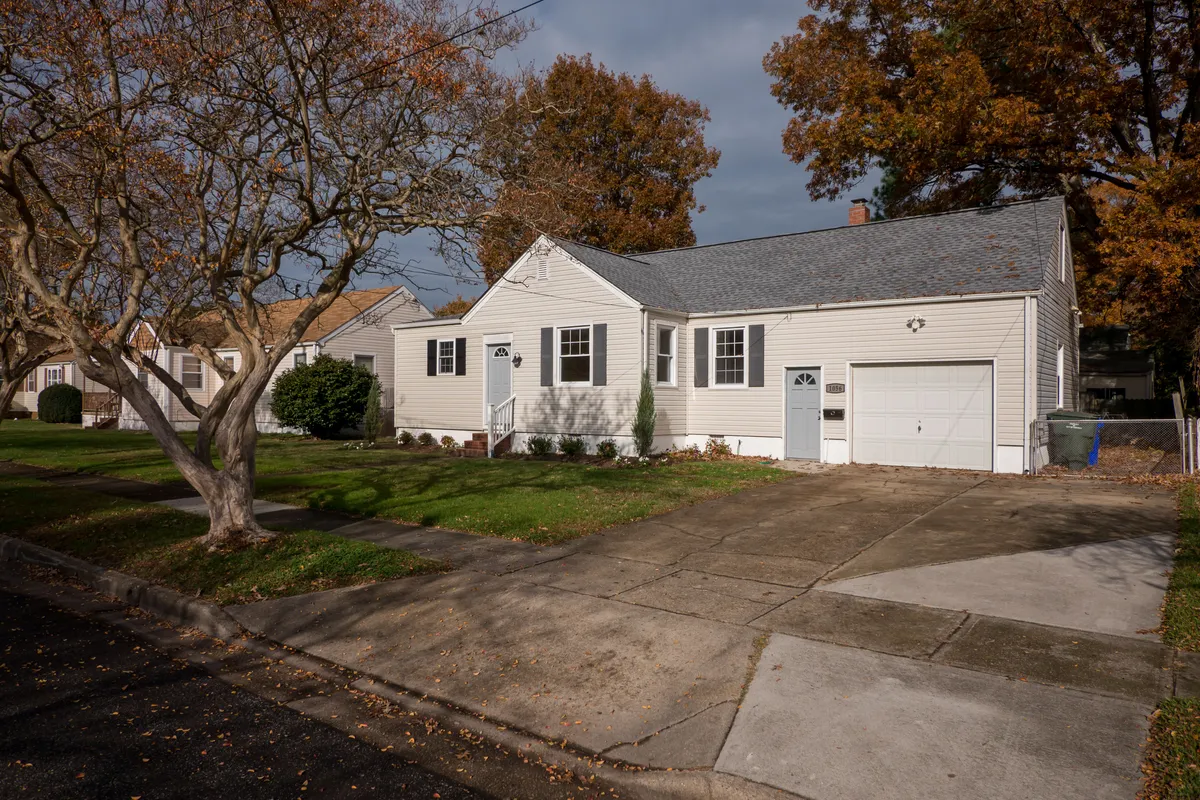
Selling a Home As-Is in Virginia Beach: What It Really Means
Selling as-is means you will make no repairs and offer no warranties on the home’s condition. It does not mean you can skip disclosure, and it does not mean the buyer stops looking.
That second part is where sellers get into trouble. There is a widespread belief that “as-is” works like a magic wand, absolving the seller of responsibility for anything the buyer later finds. It does not. Virginia REALTORS has published guidance on exactly this point, and the law is clear: an as-is clause does not exempt a seller from the Virginia Residential Property Disclosure Act, and it does not erase a licensee’s duty to disclose material adverse facts about the physical condition of the property.
So what does as-is actually get you, what does it cost you, and when is it genuinely the right call? Here is the honest version for sellers in Virginia Beach, Norfolk, and Chesapeake.
What As-Is Actually Means in Virginia
In practical terms, selling as-is means three things.
You will not make repairs. Whatever the inspection turns up, you are not fixing it. That is the core of the arrangement.
You offer no warranties on condition. No express or implied promises that the roof is sound, the systems work, or anything else is in good order.
The buyer accepts the home in its current state. They are buying what they see, and what they discover through their own due diligence.
One thing worth knowing: this is not automatic. Many standard Virginia residential purchase contracts contain terms that require the seller to warrant appliances and systems. Selling as-is requires a specific as-is provision added to the contract. Virginia REALTORS publishes one in its Standard Clause Booklet for exactly this purpose. If you intend to sell as-is, that language has to actually be in the agreement, not just in the listing description.
What As-Is Does Not Do
Here is where sellers get hurt, so it is worth being precise.
It does not exempt you from the Residential Property Disclosure Act. Virginia is a buyer beware state, and the required Residential Property Disclosure Statement is largely a disclaimer form that advises purchasers to exercise their own due diligence. But you still have to furnish it. An as-is sale does not remove that obligation, and failing to provide it before ratification gives the buyer a window to terminate.
It does not erase the duty to disclose material adverse facts. Your agent has a legal responsibility to disclose material adverse facts about the physical condition of the property that they know about. An as-is clause does not override that, and it does not make it acceptable to conceal a known defect.
It does not cover federal lead paint requirements. If your home was built before 1978, federal lead-based paint disclosure obligations apply regardless of how the home is sold.
It does not let the home deteriorate after you go under contract. Even with an as-is clause, you are still required to deliver the property at settlement in the condition it was in when the contract was ratified. As-is locks in the condition at ratification. It does not give you permission to stop maintaining it.
The short version: as-is governs repairs and warranties. It does not govern honesty.
What As-Is Costs You
As-is is almost always a price decision rather than a repairs decision, because the market prices in the repairs whether you make them or not.
When a buyer evaluates an as-is home, they do not just subtract the cost of the known repairs. They subtract the cost of the repairs, plus a margin for the repairs they have not found yet, plus a premium for the hassle and the uncertainty. That gap between actual repair cost and perceived repair cost is what as-is really costs you.
The second cost is the buyer pool. A home with significant condition issues can run into financing trouble, because lenders care about the condition of their collateral. Government-backed loan programs in particular have property condition standards, and a home with a failing roof, active moisture intrusion, or peeling paint on a pre-1978 property may not clear the appraisal. That narrows your pool toward cash buyers and investors, who are precisely the buyers least likely to pay retail.
This is the same dynamic I wrote about in why entry level homes close slower. Condition drives financing, financing drives the buyer pool, and the buyer pool drives the price.
The Honest Comparison: As-Is, Light Prep, or Cash Offer
For a home that needs work, there are really three paths. The right one depends on your timeline, your cash, and your appetite.
Path one: true as-is on the open market. List the home, disclose what you know, make no repairs, and let the market price it. You get the broadest exposure of the three paths and usually a better number than a cash offer. You accept a longer timeline, a narrower buyer pool, and offers that reflect the condition.
Path two: light preparation, then list. Address only the items that would block financing or scare buyers disproportionately relative to their cost. Peeling paint on a pre-1978 home. A missing handrail. Visible wood rot. Active moisture. These are often modest fixes that unlock the full financed buyer pool, and they frequently return more than they cost. You are not renovating. You are clearing the obstacles.
For many sellers who think they need to sell as-is, this is actually the better path, and it is worth pricing out before committing to the first one.
Path three: a cash or investor offer. Fastest and simplest, with few contingencies and no financing timeline. Also typically the lowest number, because the buyer is pricing in their own margin. That speed is genuinely valuable when you are on a hard deadline, handling a property from out of state, or dealing with a home that needs more than light work.
The right move is to get a real number on all three before choosing. Compare the likely net from a prepared sale, the likely net from a true as-is listing, and the actual cash offer in hand. Then decide what the speed and simplicity are worth to you.
When As-Is Is Genuinely the Right Call
As-is is a legitimate strategy, not a last resort. It tends to be right when:
The repairs exceed what you can or should invest. A home needing a new roof, new systems, and a kitchen is not a light prep candidate. Putting $60,000 into a house to maybe recover $65,000 is a project, not a sale.
You do not have the cash to front repairs. Preparation money comes out of pocket before closing, and not every seller has it available. That is a real constraint and a completely valid reason.
The timeline does not allow it. Orders, a job start, an estate deadline, or a closing on another property can make a six week renovation impossible regardless of the math.
You are handling the property from a distance. Managing contractors from another state is difficult, and the practical cost of trying often exceeds the financial benefit.
The property is genuinely a project. Some homes are best sold to someone whose business is renovation, and pretending otherwise just adds months.
What makes as-is work is pairing it with accurate pricing. A home listed as-is at a retail price gets the worst of both worlds: it signals problems and it is still overpriced. A home listed as-is at a price that honestly reflects its condition attracts the right buyers quickly.
Frequently Asked Questions
What does selling a house as-is mean in Virginia?
It means you are selling the property in its current condition, will make no repairs, and offer no express or implied warranties about its condition. It requires a specific as-is provision in the purchase contract, because many standard Virginia contracts otherwise include warranties on appliances and systems.
Do I still have to disclose problems if I sell as-is?
Yes. An as-is clause does not exempt a seller from the Virginia Residential Property Disclosure Act, and it does not override a licensee’s duty to disclose material adverse facts about the physical condition of the property. Federal lead-based paint disclosure requirements for homes built before 1978 also still apply. As-is governs repairs and warranties, not disclosure.
Will I get less for my home selling as-is?
Usually, yes. Buyers subtract not just the cost of known repairs but a margin for what they have not found and a premium for the uncertainty. Condition issues can also limit financing options, narrowing the buyer pool toward cash buyers who are pricing in their own margin.
Can a buyer still get an inspection on an as-is sale?
Yes, if the contract provides for one. As-is means you will not make repairs. It does not mean the buyer gives up the right to investigate. Many as-is contracts include an inspection for the buyer’s information, with the right to walk away rather than the right to request repairs.
Can someone buy an as-is home with a VA or FHA loan?
Sometimes, depending on the condition. Government-backed loan programs include property condition standards designed to protect the buyer, so a home with significant issues may not clear the appraisal. Modest condition work before listing often opens the home back up to these excellent buyers and meaningfully widens your pool.
Should I make repairs or sell as-is?
It depends on which repairs. Full renovations rarely pay for themselves on a sale. But the small set of items that block financing or alarm buyers disproportionately, such as peeling paint on a pre-1978 home, visible wood rot, a missing handrail, or active moisture, are usually worth addressing because they unlock the financed buyer pool. Price out the light preparation option before committing to a true as-is sale.
Do I still have to maintain the home after we go under contract?
Yes. Even with an as-is clause, a seller is required to deliver the property at settlement in the condition it was in when the contract was ratified. As-is locks in the condition at ratification; it does not permit further deterioration.
Find Out What Your Options Are Actually Worth
Before you commit to selling as-is, it is worth knowing what each path would really net you.
If you are weighing an as-is sale in Virginia Beach, Norfolk, or Chesapeake, let’s talk. I will walk the property, tell you honestly which items are worth addressing and which are not, give you a realistic range for a true as-is listing and for a lightly prepared one, and lay out what the timeline looks like for each. If the right answer is to sell it as-is and move on, I will tell you that plainly.
Start with a free home valuation, because every version of this decision starts with knowing what the home is actually worth.
Related Reading
About The Author
John King is a U.S. Navy veteran and licensed Realtor with Berkshire Hathaway HomeServices RW Towne Realty, serving Hampton Roads including Virginia Beach, Norfolk, and Chesapeake. A designated Luxury Collection Specialist with more than 400 closings and over 13 years of local experience, he is known for a strategic, data driven approach to marketing homes and a straightforward, veteran’s approach to his clients.
📱 757-270-3994
📧 [email protected]
🌐 www.757King.com
▶️ Hampton Roads Living on YouTube
Curious what your home is worth in today’s market? Get a free home valuation and find out where you stand.
This article is general information about selling property as-is in Virginia, current as of publication. It is not legal advice and it is not a substitute for reviewing your specific contract and situation with a qualified attorney. Disclosure obligations, contract terms and loan program requirements vary and change. Consult an attorney for legal questions and your lender for financing questions about your specific property.
