







Hampton Roads Real Estate Blog & Local Market Insights
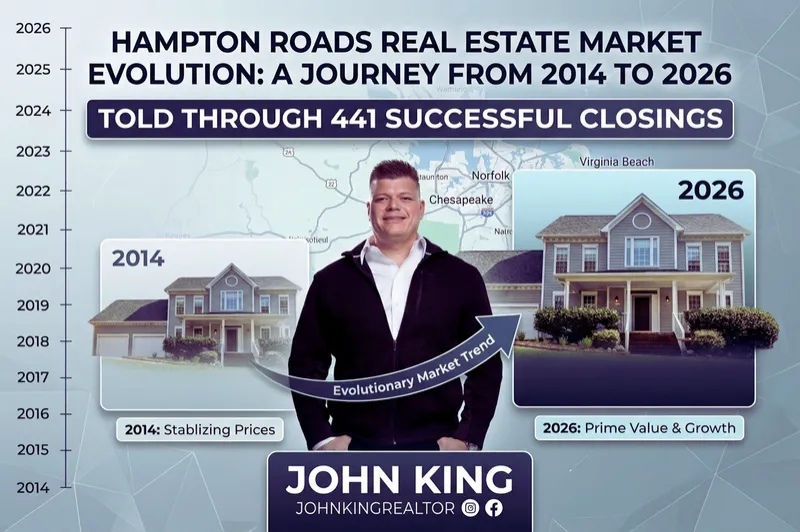
Written by John King, a U.S. Navy veteran and Berkshire Hathaway HomeServices RW Towne Realty REALTOR® with 441 closings across Hampton Roads, this library covers what buyers, sellers, and military families actually need to know about real estate in Virginia Beach, Norfolk, Chesapeake, and the surrounding 757.
Explore more than 200 original Hampton Roads real estate articles covering local neighborhoods, military PCS moves, VA loan strategy, home selling, waterfront property, market trends, and home buying — lessons drawn from more than 13 years of local transactions, not syndicated content.
Every guide is organized by topic below. Start with the cornerstone resources, browse a cluster, or scroll to the newest articles.
Start here
Start with these six cornerstone resources, then explore the supporting guides below.




Latest Hampton Roads Real Estate Articles
New guides and market updates are added every week. Newest first.
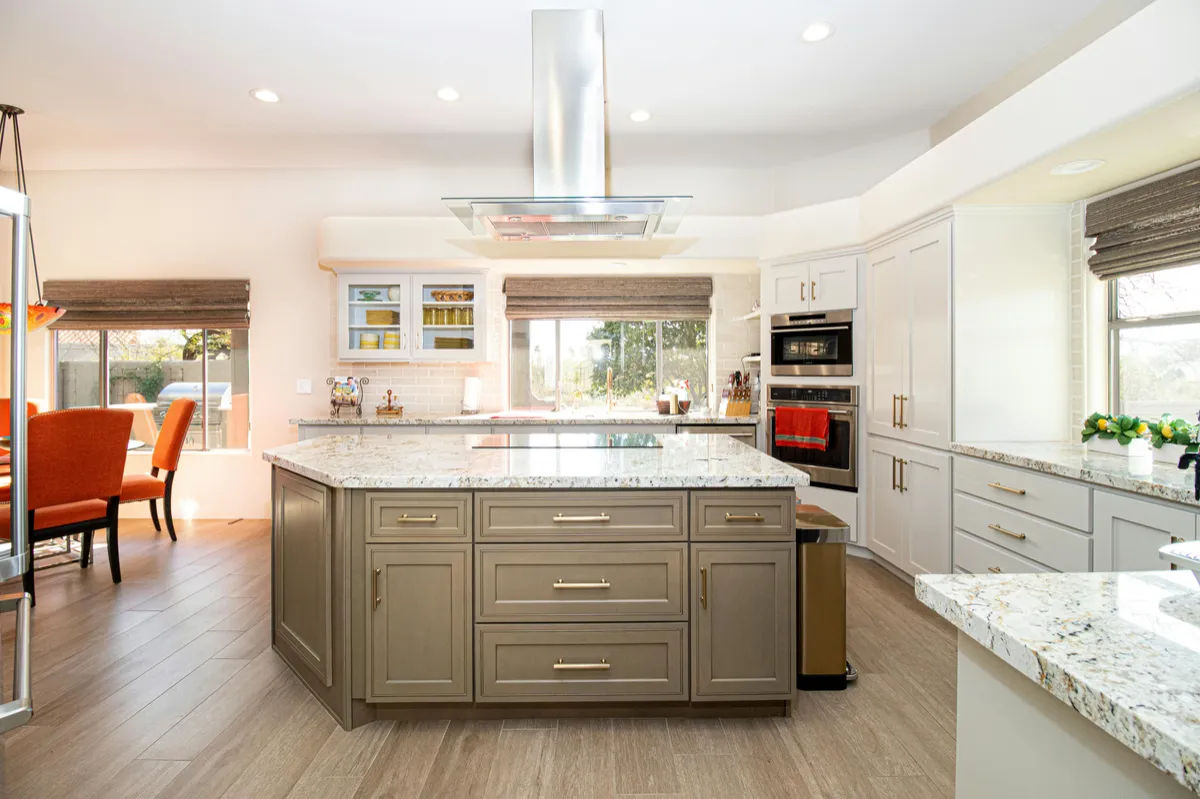
How to Sell and Buy a Home at the Same Time in Hampton Roads
Most people who need to do both at once get stuck on the same question: which one do I do first?
It feels like a trap. Sell first and you might end up with nowhere to live. Buy first and you might end up carrying two mortgages. Both fears are real, and the paralysis they cause is why a lot of homeowners who want to move simply do not, even when the move makes complete sense for their family and their finances.
Here is the good news. Selling and buying at the same time is a solved problem. It is not luck and it is not a leap of faith. It is a sequencing decision with three recognized paths, each with a known tradeoff, and the right one for you depends on your equity, your reserves, and how much risk you are comfortable carrying for a few weeks. Across 13+ years and 441 closings in Hampton Roads, I have walked clients through all three. This is how to choose.
First, Understand the Market You Are Doing This In
The sell-and-buy decision is far easier in some markets than others, so start by being honest about this one.
Right now Hampton Roads sits in a useful middle. Inventory has been climbing through 2026 and buyers have more to choose from than they did a year or two ago, which makes the buy side of your move more achievable. At the same time, months’ supply remains well below what economists consider a balanced market, so a well prepared and well priced home still sells quickly, which keeps the sell side moving.
That combination, enough inventory to buy but still a quick sell, is the friendliest environment there is for doing both at once. It does not remove the sequencing decision. It just widens your options.
The Three Paths
Path One: Sell First, Then Buy
You list and sell your current home, then buy your next one with the proceeds in hand.
What it gives you. Certainty. You know your exact proceeds instead of an estimate, you shop with real cash for your down payment, and your offer on the next home carries no home sale contingency, which makes it dramatically stronger in the eyes of a seller. In a market where good homes still move fast, a clean non contingent offer can be the difference between winning and losing the one you want.
What it costs you. The gap. If your home sells before you find or close on the next one, you need somewhere to live in between. That can mean a short term rental, a leaseback arrangement where you stay in your sold home for a negotiated period after closing, or a stay with family. In the current market, where prepared homes sell quickly, that gap can arrive faster than sellers expect.
Who it fits. Homeowners who need their equity to buy, who want the strongest possible offer, and who can tolerate a possible interim move. This is the most financially conservative path and, for many sellers, the right one.
Path Two: Buy First, Then Sell
You purchase your next home first, move in, then list and sell the old one.
What it gives you. You move once. No interim housing, no double move, no living out of boxes between two homes. For families with kids, pets, or a job that cannot absorb the chaos of a temporary move, that simplicity is worth a lot.
What it costs you. Carrying risk and offer strength. Until the first home sells you are responsible for two mortgages, two sets of taxes and insurance, and two homes to maintain. And if you need the sale to qualify for the purchase, your offer on the new home may carry a home sale contingency, which weakens it against competing buyers. Some households bridge the gap with a bridge loan or by qualifying to carry both, which requires both the reserves and the lending profile to support it.
Who it fits. Homeowners with strong reserves or enough equity and income to carry both homes briefly, who place a high value on moving only once, and who are buying in a situation competitive enough that they can still win with a contingency or strong enough financially to waive it.
Path Three: Coordinate Both to Close Together
You line up the sale and the purchase to close on the same day, or within a day or two of each other, with the proceeds from the sale funding the purchase.
What it gives you. The best of both, when it works. No double mortgage, no interim housing, and your equity flows directly from one closing into the next.
What it costs you. Complexity and coordination. Two transactions, two sets of buyers and sellers, two lenders, and two closing timelines all have to stay aligned. If one slips, the other is affected. This is the path that most downsizing and move-up sellers actually want, and it is also the one that most depends on experienced coordination to pull off cleanly. Contingencies are usually written into both contracts to protect you if the timing wobbles, and managing those contingencies without killing either deal is the real skill.
Who it fits. Most move-up and downsizing sellers, honestly, when they have an agent who has sequenced simultaneous closings before and a lender comfortable with the structure. It is the most common goal and the one that rewards preparation the most.
How to Actually Choose
The right path comes down to four honest questions.
Do you need your equity to buy? If the down payment on your next home has to come from the sale of this one, you lean toward selling first or coordinating a same-day close. Buying first is hard without separate funds.
What do your reserves look like? The deeper your cash cushion, the more comfortably you can carry two homes for a stretch, which opens up buying first. Thin reserves push you toward selling first.
How much does moving twice cost you? Not just in dollars, but in disruption. A family with school-age kids and two working parents may rationally pay more to move only once. A flexible household may happily take an interim rental to get the stronger offer.
How competitive is your target? If the homes you want draw multiple offers, a contingent offer is a real disadvantage, which argues for selling first or lining up a same-day close so your purchase offer is clean.
There is no universally correct answer. There is a correct answer for your equity, your reserves, your family, and the specific price band you are buying into, and it should be chosen deliberately before anything goes on the market, not improvised once offers start coming in.
The Preparation That Makes Any Path Work
Whichever path you choose, the same groundwork makes it succeed.
Get a real valuation first. Every path depends on knowing what your current home will actually bring. An estimate that is off by $30,000 can break a plan built around it. A free home valuation on current comparable sales is step one, always.
Get fully underwritten, not just pre-qualified, on the buy side. The stronger your financing is documented, the more flexibility you have to waive or shorten contingencies and the more competitive your offer is.
Prepare the current home before you list. A home that clears a clean appraisal and shows well sells on schedule, which is the single biggest variable in keeping a two-sided move on track.
Know your fallback before you need it. Identify your interim housing option, your leaseback willingness, or your bridge financing in advance, so that if the timing shifts you are making a calm decision rather than a panicked one.
Line up one agent to run both sides. Selling and buying simultaneously is one coordinated project, not two separate transactions that happen to overlap. Having a single agent managing both timelines, both sets of contingencies, and both closings is what keeps the whole thing from coming apart at the seams.
Frequently Asked Questions
Should I sell my house first or buy first?
It depends on four things: whether you need your equity to buy, how deep your cash reserves are, how costly a second move would be for your household, and how competitive your target market is. Selling first gives you certainty and a stronger offer at the cost of possible interim housing. Buying first lets you move once at the cost of carrying two homes and a weaker contingent offer. Coordinating a same-day close aims for the best of both and depends on experienced coordination.
Can I make an offer on a new home before mine sells?
Yes, often with a home sale contingency that makes the purchase conditional on your current home selling. In a competitive market a contingent offer is weaker than a clean one, so the alternative is to have the reserves or financing to buy without the contingency, or to coordinate both closings for the same day.
What is a leaseback and how does it help?
A leaseback, sometimes called a post-settlement occupancy agreement, lets you stay in your sold home for a negotiated period after closing, usually in exchange for a daily fee. It can bridge the gap when you sell first but have not yet closed on your next home, letting you avoid a double move.
What is a bridge loan?
A bridge loan is short term financing that lets you access the equity in your current home to buy the next one before the first sells. It can make buying first possible, but it carries costs and requires qualifying, so it is one option among several rather than a default. Talk to a lender about whether it fits your situation.
Is now a good time to sell and buy at the same time in Hampton Roads?
The current market is relatively favorable for it. Inventory has risen through 2026, giving buyers more to choose from, while months’ supply remains below a balanced market, so well prepared homes still sell quickly. That combination makes doing both at once more achievable than it was in the tighter markets of recent years.
Do I need two different agents to sell and buy at the same time?
No, and in most cases one agent running both sides is the advantage. Simultaneous moves live or die on coordination between the two timelines and the two sets of contingencies, and a single agent managing the whole project keeps the deals aligned in a way that two separate agents cannot.
Let’s Map Your Move
Selling and buying at the same time is absolutely doable in this market. The families who do it smoothly are the ones who chose their path deliberately, prepared both sides in advance, and ran the whole thing as one coordinated project.
If you are weighing a move in Hampton Roads and need to sell one home and buy another, let’s sit down and map it. I will walk your current home, give you a real valuation and likely selling range, talk through which of the three paths fits your equity and your family, and build the timeline backward from the outcome you want. No obligation, no pressure, and no script.
Start with a free home valuation, because every version of this plan begins with knowing what your home will bring.
Related Reading
About The Author
John King is a U.S. Navy veteran and licensed Realtor with Berkshire Hathaway HomeServices RW Towne Realty, serving Hampton Roads including Virginia Beach, Norfolk, and Chesapeake. A designated Luxury Collection Specialist with more than 400 closings and over 13 years of local experience, he is known for a strategic, data driven approach to marketing homes and a straightforward, veteran’s approach to his clients.
📱 757-270-3994
📧 [email protected]
🌐 www.757King.com
▶️ Hampton Roads Living on YouTube
Curious what your home is worth in today’s market? Get a free home valuation and find out where you stand.
This article is general information about selling and buying a home at the same time in Virginia. It is not legal, tax, financial or lending advice, a loan approval, or a guarantee of any outcome. Bridge loans, leasebacks and contingency structures carry costs and risks and depend on your specific situation; consult your lender, settlement agent and appropriately licensed professionals. Market conditions change.

Why these guides are different
Every article here is written by one local agent from his own transaction record, not by a content farm. The numbers below are the basis for the advice.

John King is a former Navy Machinist Mate and a licensed Virginia REALTOR® with Berkshire Hathaway HomeServices RW Towne Realty in Virginia Beach. Licensed since 2013, he has logged 441 closings across Virginia Beach, Norfolk, Chesapeake, Suffolk, Hampton, and Newport News, and specializes in military PCS relocation, VA loans, and waterfront property. He holds a 5.0 Google rating across 117 reviews and has earned the HRRA Circle of Excellence every year since 2015.
About John King See the transaction studyCommon questions about this library
Tap a question to expand it.
What is the Hampton Roads Real Estate Blog?
Which Hampton Roads neighborhoods are closest to each base?
How do VA loans work when buying in Virginia Beach or Norfolk?
What is the Hampton Roads real estate market like right now?
Should I buy or rent during a PCS to Hampton Roads?
Ready to talk about your move?
Reading is a good start. A 15-minute conversation with a local agent who has logged 441 closings in Hampton Roads is a better one.
Prefer to talk? Call or text John at (757) 270-3994.

441 Closings
Client-side closings across Hampton Roads since 2014.

189 VA-Financed Sales
Direct experience with military and veteran buyers.

270 Subdivisions
Experience spread across the whole region.

FOLLOW US


COMPANY
CUSTOMER CARE
LEGAL
Copyright 2026 John King | KingRealtor757. All Rights Reserved. Equal Housing Opportunity. REALTOR(R). Virginia License 0225211050.