
Great Neck Virginia Beach: Neighborhood Guide, Homes & Schools (2026)
Great Neck Virginia Beach: The Complete Neighborhood Guide (2026)
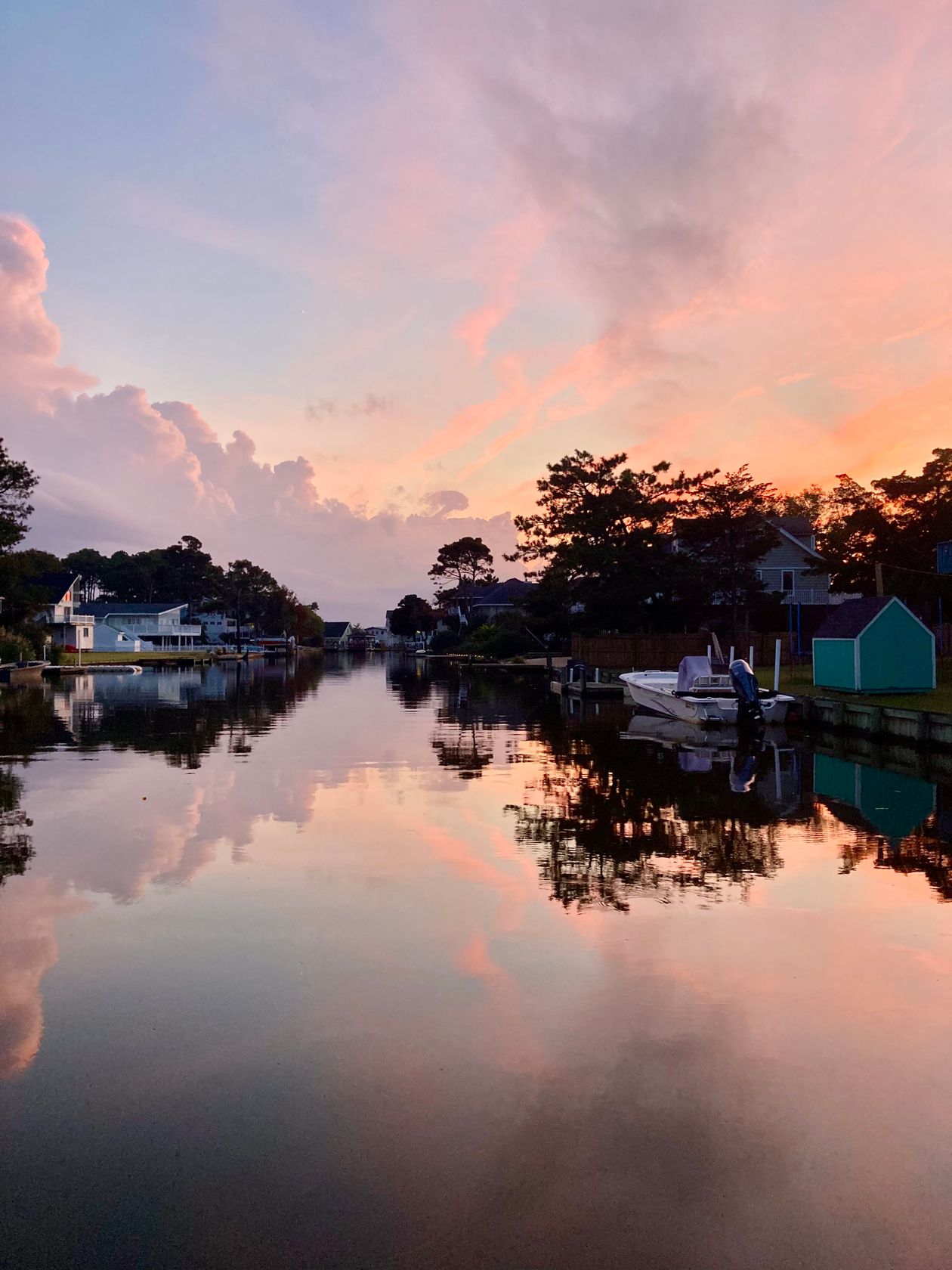
If you are searching for a community that blends waterfront living, a central northeast Virginia Beach location, and one of Hampton Roads' most desirable addresses, Great Neck Virginia Beach belongs at the top of your list. Situated on a peninsula between Lynnhaven Bay and the Chesapeake Bay, the Great Neck corridor offers a lifestyle that buyers from across the country specifically seek out — and often struggle to find unless they have the right local guide.
This is the definitive resource on Great Neck Virginia Beach real estate, neighborhoods, schools, lifestyle, and what you need to know before you buy or sell here in 2026.
Where Is Great Neck Virginia Beach?
Great Neck is a peninsula community in the northern section of Virginia Beach, bordered by Lynnhaven Inlet to the south, the Chesapeake Bay to the north, and the Lynnhaven River system to the east. The area is defined by water — creeks, coves, and bay frontage shape nearly every neighborhood within it.
Major roads through the corridor include Great Neck Road, North Great Neck Road, and Wolfsnare Road. The area sits roughly 15 minutes from the Virginia Beach Oceanfront, 20 minutes from Naval Station Norfolk, and under 30 minutes from NAS Oceana. It is also well outside the primary noise zone for Oceana, making it an appealing option for buyers who want proximity to the base without the jet noise. For more on base proximity and BAH-aligned neighborhoods, see our Hampton Roads Neighborhood Guide for Military Families.
Great Neck Neighborhoods: What Is Inside the Corridor
The Great Neck corridor is not a single neighborhood — it is a collection of distinct communities, each with its own character, price range, and waterfront access profile. Here is what buyers actually find when they explore the area.
Alanton
Alanton is the crown jewel of the Great Neck peninsula. Deep-water access on Linkhorn Bay, private dock lots, estate-sized properties, and prices ranging from the high $800s to well over $5 million define this neighborhood. If waterfront luxury is the goal, Alanton is where that conversation starts. Learn everything you need to know in our Alanton Virginia Beach Complete Neighborhood Guide.
Great Neck Middle Corridor
South of Alanton, the middle corridor includes neighborhoods like Castleton, Wolfsnare Plantation, Fox Run, and several other established subdivisions. Homes here typically range from the mid $400s to the $900s, with larger lots, mature trees, and a quieter suburban character. Many homes back to wooded buffers or interior ponds rather than open water.
North Great Neck
Closer to the Chesapeake Bay, North Great Neck features communities with bay views and some of the most sought-after addresses in the entire Virginia Beach market. Properties here can range from the $500s to several million depending on waterfront access and lot size.
Cape Henry and Broad Bay Colony
On the eastern edges of the broader peninsula, Cape Henry and Broad Bay Colony offer access to Broad Bay and the Lynnhaven system. These neighborhoods appeal to boaters and water enthusiasts looking for a slightly different character than the Linkhorn Bay side of the corridor.
Great Neck Virginia Beach Real Estate Market: What Buyers Pay in 2026
The Great Neck corridor spans a wide price range depending on neighborhood, waterfront status, and property size. Here is a general framework for 2026 buyers:
Non-waterfront homes in the middle corridor: $400,000 – $700,000
Waterfront or water-view properties in mid-corridor neighborhoods: $600,000 – $1.2 million
Deep-water access or private dock properties in Alanton: $900,000 – $3 million+
Luxury waterfront estates on Linkhorn Bay: $2 million – $5 million+
The Hampton Roads median home price is approximately $360,000 as of April 2026 — Great Neck sits meaningfully above that median, driven by its location, housing stock, and water access premium. Days on market for well-priced Great Neck homes average under three weeks. Sellers who overprice for the waterfront premium often sit. If you are considering selling, read our guide on Why Overpricing Your Virginia Beach Home Will Cost You.
Schools Serving the Great Neck Corridor
Great Neck is part of Virginia Beach City Public Schools. Schools are assigned by address, and most of the corridor is zoned for the following:
John B. Dey or Thoroughgood Elementary, depending on the street
Great Neck Middle School, grades 6 through 8
Frank W. Cox High School or First Colonial High School, grades 9 through 12; First Colonial hosts the citywide Legal Studies Academy
Many relocating buyers, including military families PCSing to Naval Station Norfolk or NAS Oceana, ask about school zoning early. Confirm assignment with the VBCPS street level lookup before narrowing your search to the Great Neck corridor.
Water Access in Great Neck: What Buyers Need to Know
Water access in Great Neck is not uniform, and buyers who do not understand the distinctions often overpay for a property with limited utility or miss opportunities on properties with significant waterfront value.
There are four categories of water access in the Great Neck corridor: (1) deep-water private dock access suitable for larger vessels, (2) shallow-water dock access suitable for kayaks and small boats, (3) water view without direct access, and (4) interior non-water properties. Each category carries a meaningfully different price and a different set of due diligence questions around tidal fluctuation, flood zone designation, and dock permitting. For a deeper dive, see our guide on Waterfront Homes in Alanton Virginia Beach.
Lifestyle: What Living in Great Neck Virginia Beach Actually Looks Like
Great Neck is a community where residents tend to stay for decades. The lifestyle appeal is specific: quiet, established neighborhoods with water access, mature trees, and reasonable proximity to employment centers without the density of urban Virginia Beach.
Common activities for Great Neck residents include boating on Lynnhaven Bay, kayaking the inland waterways, fishing, stand-up paddleboarding, and access to Lynnhaven Inlet for bay fishing and offshore runs. The area has quick access to Shore Drive for dining and waterfront restaurants, and the Virginia Beach Oceanfront is a short drive for weekend beach days. For more on the Shore Drive corridor, see our Shore Drive Virginia Beach Complete Guide.
Commute Times From Great Neck Virginia Beach
Great Neck sits in one of the better commute positions in the metro area. Here are realistic commute estimates from the middle of the corridor during normal traffic:
Naval Station Norfolk: 20–28 minutes via I-64
NAS Oceana: 18–22 minutes via Great Neck Road and Dam Neck Road
JEB Little Creek: 12–18 minutes
Virginia Beach Oceanfront: 15–20 minutes
Norfolk CBD: 25–35 minutes
Chesapeake: 35–45 minutes
Flood Zones in Great Neck: What Every Buyer Must Verify
Given the waterfront character of the corridor, flood zone designations matter significantly in Great Neck. Properties in FEMA Flood Zone AE require flood insurance and typically carry meaningful annual premiums. Non-waterfront properties in X zones do not require flood insurance, though lenders may still recommend it.
Any buyer under contract on a waterfront or water-adjacent property in Great Neck should verify the current flood zone designation, request a copy of the current flood insurance policy, and get an elevation certificate reviewed during the due diligence period. Flood insurance premiums in Hampton Roads have increased significantly in recent years under FEMA's Risk Rating 2.0 methodology. For a full breakdown, see our Flood Zone and Insurance Guide for Hampton Roads Buyers.
A Quick History of the Great Neck Peninsula
Great Neck sits on one of the oldest inhabited peninsulas in Hampton Roads. Before European contact it was home to Chesepioc, one of three principal towns of the Chesapeake tribe, an Algonquian speaking people, fortified with wooden palisades on the East Branch of the Lynnhaven River. In 1635 Adam Thoroughgood received a colonial land patent for more than 5,000 acres along the river and named it after his hometown of King's Lynn in Norfolk, England; the Thoroughgood House, built around 1719 by his great grandson, still stands as a museum at 1636 Parish Road and is one of the oldest surviving colonial homes in Virginia. The 19th century brought the Lynnhaven oyster trade, and the peninsula stayed largely agricultural until the 1963 merger of Princess Anne County with Virginia Beach, after which it became the residential corridor it is today. The primary zip code is 23454, with portions near the base of the peninsula in 23455 or 23451.
Price Tiers Across the Corridor
The price range in Great Neck is wider than almost any other Virginia Beach neighborhood, which gives buyers at nearly every budget a real entry point. Condos and townhomes at Great Neck Landing, Great Neck Grove, and Great Neck Villas run roughly $185,000 to $400,000 and are a common landing spot for first time buyers, investors, and military buyers on lower BAH tiers. Mid range single family homes from $400,000 to $650,000, brick ranches and colonials on mature lots, are the most active segment and where most monthly transactions happen. Updated and larger homes from $650,000 to $1.1 million bring renovated interiors, bigger lots, water views, and canal lots with boat access, with strong demand from move up buyers who already know the corridor. Waterfront estates from $1 million to $3 million and above sit on deep water along Broad Bay, the Lynnhaven River, and Linkhorn Bay with private docks and direct Chesapeake Bay access through the Lynnhaven Inlet. Rentals run about $1,800 to $4,500 plus per month, supported by the school zone, the Sentara Virginia Beach General employment base, and personnel rotating through JEB Little Creek and NAS Oceana. The median sale price is approximately $433,000 with an average around $550,000, and well presented homes in the $400,000 to $700,000 range routinely sell in under a month.
What Else Is Inside the Corridor
Great Neck has no commercial strip of its own; the peninsula keeps its residential character and everything sits in the surrounding corridor. Within two miles you will find Whole Foods, Trader Joe's, Fresh Market, Kroger, and Farm Fresh, the densest quality grocery corridor in the city. First Landing State Park sits right off Shore Drive at the top of the peninsula with 2,888 acres, 20 miles of trails, 1.5 miles of Chesapeake Bay beach, kayak launches, fishing piers, cabins, and camping, on the site where English settlers first landed in 1607 before continuing to Jamestown. Great Neck Recreation Center behind Cox High School offers 83,000 square feet of indoor space with a pool, cardio and weight rooms, and basketball, volleyball, and racquetball courts, and Great Neck Park adds more than 70 acres of fields, sand volleyball, walking paths, and one of the largest playgrounds in northern Virginia Beach. For homes without private docks, Marina Shores Marina and Long Shore Marina provide slip rentals inside the corridor. Sentara Virginia Beach General Hospital, a major regional medical center, sits inside the corridor as well. On schools, most of the peninsula feeds John B. Dey or Thoroughgood Elementary, then Great Neck Middle (17 to 1 student teacher ratio), then Frank W. Cox High School or First Colonial High School (Advanced Placement courses and the Legal Studies Academy); Cape Henry Collegiate offers a private PreK through 12 option with an IB program inside the corridor. Exact assignment depends on the street, so verify before writing an offer.
What Most Buyers Get Wrong About Great Neck
They treat it as a single market. Alanton, Baycliff, Wolfsnare, Great Neck Estates, Great Neck Landing, Brighton on the Bay, and the waterfront corridor all behave like distinct submarkets, and a $550,000 home in Wolfsnare is a fundamentally different asset from a $550,000 home on a canal or a townhome in Great Neck Meadows two streets over; understanding the sub neighborhood layer is the entire search strategy. They underestimate the school zone, a value driver that rarely appears in a listing description but absolutely shows up in resale. And they wait for the perfect waterfront listing and miss the interior opportunity: the gap between interior and waterfront pricing is significant, interior lots often appreciate at a stronger rate because the entry point is lower and demand is broader, and many buyers spend 18 months waiting for a waterfront home that never materializes at their budget.
Great Neck FAQ
What is the difference between Great Neck and Alanton? Alanton sits inside the broader Great Neck corridor on a more contained peninsula with larger lots (one acre and above) and a higher price point. Great Neck as a whole offers a broader range of home types and prices, more inventory, and stronger feeder school infrastructure; Alanton is a more exclusive, finite market.
How far is Great Neck from the Oceanfront? About six miles, a 15 minute drive. Chesapeake Bay beaches along Shore Drive are 5 to 10 minutes north.
Is Great Neck a good place to buy? It is one of the most consistently strong markets in Virginia Beach. Bay access, proximity to Hilltop, and a fully built out peninsula create a structural supply constraint that supports values over the long term. Legacy ownership is the norm here; neighbors who moved in 30 years ago are still here.
Is Great Neck Virginia Beach Right for You?
Great Neck is the right fit for buyers who prioritize water access or proximity, an established neighborhood character, and reasonable proximity to military installations and employment. It is not the neighborhood for buyers seeking the most affordable entry point into Virginia Beach or the walkable density of Town Center.
For sellers, Great Neck commands strong demand from a specific, qualified buyer pool — relocation buyers, buyers upgrading from interior neighborhoods, and military buyers who know the corridor. Pricing strategy matters here because comparables span a wide range and buyers doing their homework will push back on overpricing.
Ready to Buy or Sell in Great Neck Virginia Beach?
John King has spent over 13 years working the Great Neck corridor — from entry-level non-waterfront properties to waterfront estates on Linkhorn Bay. He understands the school feeder patterns, the water access distinctions, the flood zone nuances, and what drives real value in each sub-neighborhood.
Whether you are buying your first home in the corridor or selling a property you have owned for twenty years, the conversation starts with an honest market analysis based on real data — not what you hope to hear. Call John King directly at (757) 270-3994 or visit 757King.com to get started.
John King is a Realtor with Berkshire Hathaway HomeServices RW Towne Realty, serving Virginia Beach, Norfolk, Chesapeake, and all of Hampton Roads. Licensed in Virginia. Equal Housing Opportunity.
Related guides from John King
Written by John King, Navy veteran & REALTOR®, Berkshire Hathaway HomeServices RW Towne Realty · (757) 270-3994 · About John
Considering this neighborhood? Take a look at what your home here is actually worth, built on documented case studies of real Hampton Roads transactions.
