







Alanton Virginia Beach Homes: Architecture Guide From 1920s to Today
Alanton Virginia Beach Homes: From 1920s Colonial Revivals to Modern Waterfront Estates
One of the things that makes Alanton stand apart from every other neighborhood in the Great Neck Corridor is something you notice the moment you turn off Woodhouse Road and start driving the streets. No two homes look alike. The architectural variety in Alanton is not the result of a developer offering three floor plan options in different colors. It is the result of nearly a century of individual homeowners building on individual lots, each generation adding its own layer to a neighborhood that was never built all at once.
That architectural depth is one of Alanton's most underappreciated assets in the Great Neck Virginia Beach real estate market. This guide explains what you will find, when each style was built, what makes each era distinctive, and how architectural character translates into real estate value in the Great Neck Corridor today.
Why Alanton's Architecture Is Unlike Any Other Great Neck Neighborhood
Most neighborhoods in the Great Neck Corridor were developed in a compressed timeframe, which means the homes within them share a similar architectural vocabulary. Alanton is different. Development here began in the 1920s and continued through the 1960s, 1970s, and beyond, with custom homes and waterfront estates still being built and renovated today.
The result is a streetscape that architectural historians would describe as organically layered. Colonial Revivals from the 1920s sit comfortably next to 1960s ranch homes. Dutch colonials from the postwar era share streets with contemporary waterfront estates. Mature trees that have been growing for 50, 60, and in some cases nearly 100 years frame every home regardless of its era, giving the neighborhood a visual cohesion that transcends any single architectural style.
For buyers in the Great Neck Corridor, this variety means that Alanton offers something genuinely different at every price point and preference. Whether you are drawn to the character and craftsmanship of an older home or the clean lines and systems of a modern build, the neighborhood has a version of what you are looking for.
The 1920s and 1930s: Colonial Revivals and the Founding Era
The earliest homes in Alanton date to the 1920s, coinciding with the McCullough family's purchase of the original Woodhouse tract and the formal naming of the neighborhood around 1923. These homes reflect the Colonial Revival movement that dominated American residential architecture during that period, a style characterized by symmetrical facades, centered entry doors, double hung windows, and traditional exterior materials including wood clapboard and brick.
The Colonial Revival style was the dominant architectural choice for upper middle class and affluent homes throughout the 1920s and 1930s, and the earliest Alanton homes reflect that standard. These properties typically feature steeper roof pitches, more formal room arrangements, and a level of interior craftsmanship including millwork, plaster walls, and hardwood floors that is genuinely difficult to replicate in modern construction.
For buyers who value original architectural character, the Colonial Revival homes of Alanton represent some of the most distinctive properties in the entire Great Neck Corridor. Their age means they require more attention and investment than newer homes, but the character they deliver in return is irreplaceable.
The 1940s and 1950s: Cape Cods and Dutch Colonials
The postwar decades brought a new wave of construction to Alanton as returning veterans and their families looked for homes in established, tree lined neighborhoods with strong community character. The Cape Cod style, popularized in the postwar era by architect Royal Barry Wills and featured extensively in publications like Better Homes and Gardens, became a natural fit for the lots and streets of Alanton.
Cape Cod homes in Alanton are characterized by their one and a half story profile, steep roof pitches, symmetrical facades, and efficient use of interior space. Many have been thoughtfully expanded over the decades with architect designed additions that add square footage while respecting the original form. A 1940s Cape Cod on a large Alanton lot with a well executed addition can deliver a surprising amount of living space behind a modest exterior.
Dutch colonials from the same era added gambrel roofs and a slightly more generous second floor footprint to the Great Neck Corridor streetscape. These homes often feature wider lots and more generous setbacks than the 1920s era properties, reflecting the slightly looser lot standards of the postwar subdivision era.
The 1960s: Ranch Homes and Alanton's Growth Era
Alanton really began establishing itself in the 1960s with the construction of ranch style properties. The ranch style, America's dominant residential form from the mid 1950s through the early 1970s, was a natural fit for the Great Neck Corridor's generous lot sizes. Single story living, open floor plans relative to earlier eras, attached garages, and a strong indoor outdoor connection through sliding glass doors and backyard patios defined the ranch homes that went up in Alanton during this decade. Jake Maines
Ranch homes in Alanton typically sit on some of the neighborhood's largest lots, a reflection of the more generous land use patterns of 1960s development. Many of these properties have been substantially updated over the decades with kitchen renovations, bathroom additions, and in some cases significant expansions that have transformed the original modest footprint into something considerably more substantial.
For buyers who want a single story home in the Great Neck Corridor, Alanton's ranch stock represents one of the best opportunities in the entire Virginia Beach market. The combination of single story living, large lots, mature landscaping, and a neighborhood with a 50 year track record of value stability is a combination that is genuinely rare.
Custom Homes and Waterfront Estates: The Modern Era
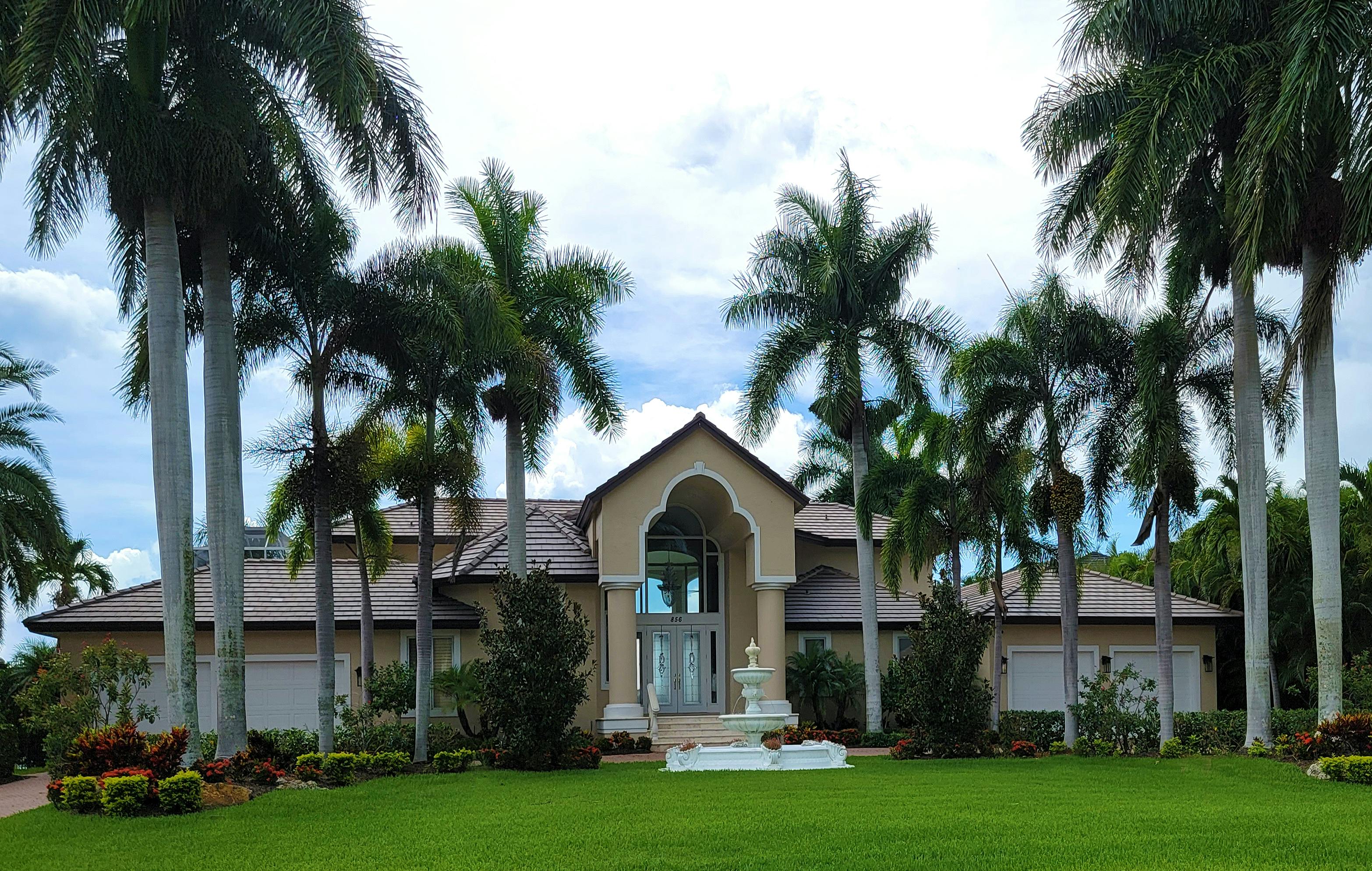
The most recent layer of Alanton's architectural story is being written today on the neighborhood's waterfront lots and on the occasional in fill parcel where an older home has been removed to make way for new construction. These modern builds in the Great Neck Corridor reflect the full evolution of luxury residential architecture, with open concept floor plans, primary suites with spa level bathrooms, chef's kitchens with high end appliances, home automation systems, and outdoor living spaces designed to take full advantage of Linkhorn Bay and Broad Bay views.
Waterfront estates in Alanton at this level are purpose built for the site. Architects design these homes to maximize bay views from every primary living space, to integrate seamlessly with dock and outdoor entertainment areas, and to manage the specific environmental conditions of waterfront living including wind exposure, salt air, and flood zone requirements.
These properties represent the highest price points in the Great Neck Corridor real estate market, with waterfront estates ranging from approximately $1.7 million to well above $5 million. They are also the most individually distinctive homes in the neighborhood, since each one is designed specifically for its lot and its owner rather than adapted from a standard floor plan.
What Architectural Era Means for Buyers in Alanton
Understanding Alanton's architectural eras helps buyers set realistic expectations and make better decisions in the Great Neck Corridor market.
Older homes deliver character, craftsmanship, and lot sizes that newer construction cannot replicate. They also require more due diligence. Systems including electrical, plumbing, HVAC, and roofing in a 1920s or 1930s era home may have been updated multiple times over the decades, and the quality of those updates varies significantly. A thorough inspection by a qualified inspector with experience in older homes is essential before committing to any pre 1960s property in Alanton.
Ranch homes from the 1960s typically have updated systems but may have original kitchens, bathrooms, and finishes that buyers plan to renovate. The structural bones of these homes are generally sound, and the large lots they sit on provide meaningful options for addition and expansion.
Modern custom homes and waterfront estates require the least immediate investment but command the highest prices. At this level buyers are paying for current systems, modern floor plans, and the full benefit of contemporary waterfront construction technology.
Regardless of era, every home in Alanton sits in one of the most established and consistently valued neighborhoods in the Great Neck Corridor. The architectural variety is not a liability. It is one of the features that gives the neighborhood its distinctive character and makes it genuinely irreplaceable in the Virginia Beach luxury market.
What Sellers Need to Know About Architectural Era and Value
For sellers in Alanton, understanding how your home's architectural era affects buyer perception is important context for pricing and presentation strategy.
Older homes in the Great Neck Corridor that have been thoughtfully maintained and updated command strong prices from buyers who specifically seek character and craftsmanship. The key word is thoughtfully. Buyers at Alanton price points are sophisticated and can distinguish between a well executed renovation and a cosmetic update that masks deferred maintenance.
Ranch homes that have been expanded and updated effectively often surprise sellers with their market value. A well executed addition on a large Alanton lot can produce a home that competes directly with newer construction at a fraction of the replacement cost.
Waterfront estates sell on their own terms in the Great Neck Corridor. Views, dock quality, water depth, and lot orientation matter as much as interior finishes at this price point.
If you are thinking about selling your Alanton home and want to understand how its architectural era and condition affect your position in the current Great Neck Corridor market, let's talk before you make any decisions. I live in this neighborhood, work this market every day, and know the Alanton buyer pool at the street level.
Call or text me at 757-270-3994 and let's have a straight conversation about what your home is worth today.
About the Author
John King is a Navy veteran and licensed real estate agent with Berkshire Hathaway RW Towne Realty, serving Hampton Roads including Virginia Beach, Norfolk, and Chesapeake. Known for straightforward approach and market expertise. 📞 757-270-3994 📧 [email protected] 🌐 www.757King.com
Curious what your home is worth in today's market? Get a free home valuation and find out where you stand.


Innovation
Fresh, creative solutions.

Integrity
Honesty and transparency.

Excellence
Top-notch services.

FOLLOW US


COMPANY
CUSTOMER CARE
LEGAL
Copyright 2026 John King | KingRealtor757. All Rights Reserved.