







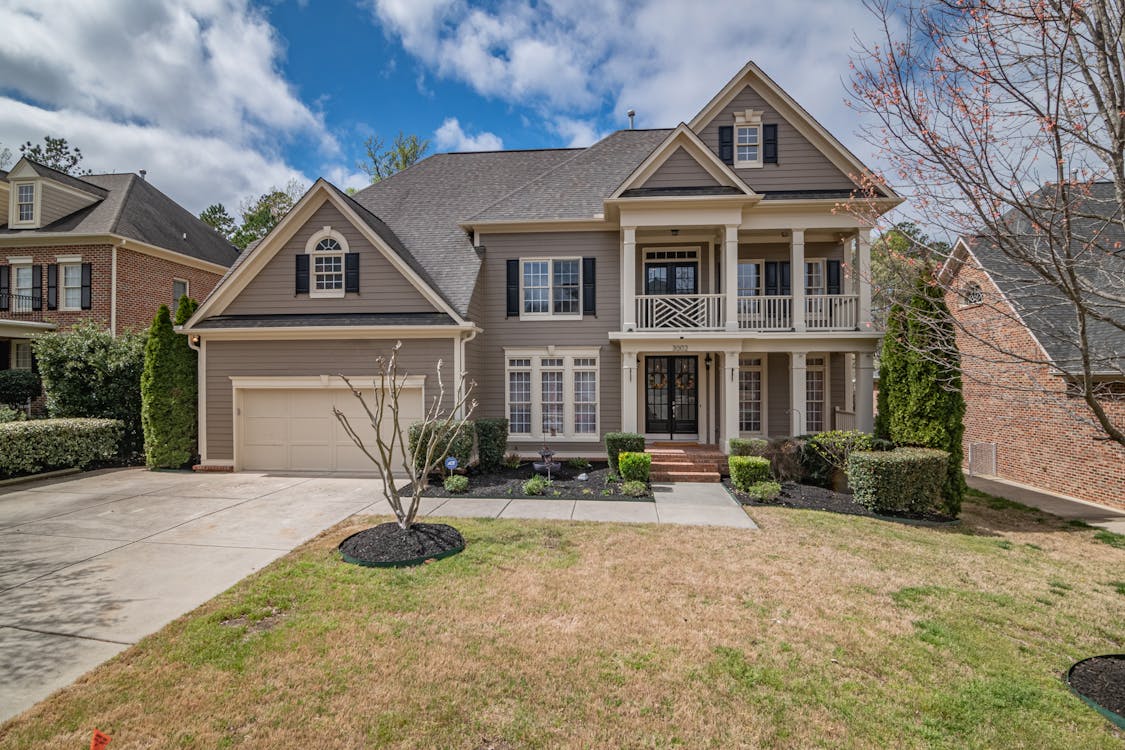
Can You Sell a House As-Is in Virginia? Complete 2026 Guide
Can You Sell a House As-Is in Virginia? Complete 2026 Guide
Quick Answer: Yes, you can absolutely sell a house as-is in Virginia. Virginia law does not require you to make repairs before selling your home. However, you are still required to disclose known material defects to buyers under Virginia Code § 55.1-703. Selling as-is simply means you're putting the property on the market in its current condition — and telling buyers upfront that you won't be making repairs or offering credits for defects found during inspection.
If you own a home in Virginia Beach, Norfolk, Chesapeake, Hampton, or anywhere in Hampton Roads and you're wondering whether selling as-is is right for you — this guide gives you everything you need to know. We'll cover the legal requirements, when it makes financial sense, how buyers respond, and how to get the best possible price even when selling in as-is condition.
What Does "Selling As-Is" Actually Mean in Virginia?
Selling a house as-is in Virginia means you are marketing the property in its current physical condition. You are signaling to prospective buyers that you will not repair damage, update systems, address inspection findings, or provide credits at closing for any issues discovered during the transaction.
What it does not mean is that you're exempt from Virginia's disclosure obligations. Under the Virginia Residential Property Disclosure Act (Virginia Code § 55.1-700 et seq.), sellers are required to provide a Residential Property Disclosure Statement. In most cases, this is a simple acknowledgment that the buyer is purchasing the property in its present condition — but you must still disclose known material defects including structural issues, roof problems, environmental hazards like lead paint or mold, and issues with major systems such as HVAC, plumbing, and electrical.
Failure to disclose known material defects — even on an as-is sale — can expose you to legal liability. If you're unsure what you're required to disclose, working with an experienced Hampton Roads Realtor like John King of KingRealtor757 ensures you navigate these requirements correctly from day one.
Virginia Disclosure Law: What You Must Disclose Even on an As-Is Sale
Virginia is a "buyer beware" state in many respects, but sellers still carry material disclosure obligations. Here is what you are legally required to disclose even when selling your home as-is in Virginia:
Structural defects: Foundation problems, settling, framing issues
Roof condition: Known leaks, damage, or end-of-life roof
Water intrusion: Past or current flooding, drainage problems, basement moisture
HVAC, plumbing, and electrical issues: Known deficiencies in major systems
Environmental hazards: Lead paint (mandatory federal disclosure for homes built before 1978), mold, radon, underground storage tanks
Pest infestations: Known termite or wood-destroying insect activity
HOA obligations: Pending assessments, violations, or restrictions
Zoning or code violations: Unpermitted additions or outstanding code violations
Virginia law does not require you to conduct inspections or discover new defects — only to disclose what you already know. The standard Virginia Residential Property Disclosure Statement is used for most transactions and satisfies the state's baseline requirements. Your Realtor will guide you through completing this accurately.
Who Should Consider Selling As-Is in Virginia?
Selling as-is is not the right fit for everyone — but for many Hampton Roads homeowners, it's the most practical and financially sound strategy. Here are the most common situations where an as-is sale makes sense:
1. Inherited Properties
Inherited homes in Virginia are among the most common as-is sale candidates. Estate properties often have deferred maintenance, outdated systems, or needed repairs that heirs aren't willing or able to fund before selling. Selling as-is allows the estate to move forward efficiently without investing money into a property the heirs don't intend to keep.
2. Distressed Financial Situations
If you're facing foreclosure, divorce, bankruptcy, or another financial hardship that requires a fast sale, an as-is listing can help you move the home to market quickly. You cannot afford to spend $15,000 on repairs when you need to sell in 30 days — and in today's Hampton Roads market, you often don't have to.
3. Landlords Exiting Rental Properties
Investment property owners frequently sell as-is, especially when a property is tenant-occupied or has been rented for years without major updates. Buyers in this category often expect as-is condition and price it accordingly.
4. Homes That Need Significant Work
If your home needs a new roof, HVAC replacement, kitchen update, or other significant investment, you have two choices: invest the money and market at full retail price, or sell as-is at a modest discount and let the buyer handle it. For many sellers in Hampton Roads, the as-is route saves time, stress, and upfront cash — even if the sale price is slightly lower.
5. Sellers Who Prioritize Speed Over Maximum Price
Relocation, job changes, retirement moves, and military PCS orders often require a fast sale timeline. An as-is listing signals to the market that you're a motivated seller — which attracts buyers, including investors and flippers, who can move quickly and close without contingency delays.
Does Selling As-Is Mean a Lower Sale Price in Virginia?
Not necessarily — and this is the part most sellers get wrong. In the Hampton Roads real estate market, as of mid-2026, the median home price is approximately $360,000, with properties averaging around 21 days on market and demand trending upward (+11.95% pending sales year-over-year). In this environment, well-priced as-is properties attract multiple offers from buyers who are comfortable with the condition.
The key is pricing strategy. An as-is home listed at the right price — accounting for its condition but not dramatically undervalued — can generate significant buyer interest. The mistake many sellers make is either overpricing an as-is property (which leads to price reductions and stigma) or severely underpricing it (leaving real money on the table).
John King's strategic approach to as-is listings starts with a precise comparative market analysis that accounts for condition, location, and buyer demand. Rather than guessing at a discount, the goal is data-driven pricing that creates competition and protects your equity. You can request a free home valuation here to see what your as-is property is worth in today's Hampton Roads market.
How to Sell a House As-Is in Virginia: The Step-by-Step Process
Step 1: Get a Realistic Market Valuation
Before you list, you need to know what your home is worth in its current condition. This isn't just pulling Zillow's estimate — it requires a detailed comparative market analysis (CMA) from an agent who knows your specific neighborhood and how buyers in your price range respond to as-is properties. Schedule a free valuation with John King to get an accurate picture.
Step 2: Complete Virginia's Disclosure Requirements
Work with your Realtor to complete the Virginia Residential Property Disclosure Statement honestly and accurately. Disclose all known material defects. This protects you legally and sets accurate buyer expectations from the start.
Step 3: Decide on Pricing Strategy
Your agent will help you determine whether to price aggressively to generate multiple offers, price at market to attract conventional buyers, or price at a slight premium if the as-is condition is mostly cosmetic. There's no universal answer — it depends on your home, your timeline, and your goals.
Step 4: Prepare and Market the Property
Even an as-is home benefits from basic preparation: cleaning, decluttering, and ensuring the property is accessible and shows well. Professional photography is still important — in fact, it's even more important for as-is listings because strong marketing compensates for condition concerns. John King's strategic digital marketing system runs targeted campaigns on Facebook, Instagram, and YouTube that put your home in front of thousands of qualified buyers every week.
Step 5: Manage the Inspection Period
Buyers of as-is properties still conduct home inspections — and they have the right to. The "as-is" designation means you won't make repairs, not that inspections don't happen. Be prepared for the inspection report to surface issues, and have a clear strategy for how you'll respond to repair requests. Your agent will guide this negotiation.
Step 6: Navigate Financing Considerations
One of the real challenges with as-is sales in Virginia is financing. If a home has significant structural issues, FHA and VA loans may have appraisal requirements that flag defects for mandatory repair. This can eliminate a large pool of buyers. Understanding which buyer types are most likely to succeed on your property — conventional buyers, cash buyers, investors — helps your agent target the right audience from the start.
Step 7: Close the Transaction
Once you're under contract, work closely with your agent, title company, and closing attorney to ensure a clean path to closing. As-is transactions can fall apart at the inspection or financing stage if not managed properly by an experienced agent. With 400+ transactions closed across Hampton Roads, John King has navigated every scenario — and knows how to keep your deal on track.
As-Is Sales and Virginia Beach's Military Market
One important nuance for Hampton Roads sellers: VA loans — which are extremely common in Virginia Beach, Norfolk, and Chesapeake due to the massive military presence — come with specific property condition requirements set by the Department of Veterans Affairs. VA appraisers are required to flag health-and-safety deficiencies including peeling paint, exposed wiring, roof issues, and inoperable utilities. If these issues exist on your as-is property, VA-financed buyers may be unable to close without repairs.
This doesn't mean you can't sell to military buyers — it means your pricing and disclosure strategy needs to account for it. A knowledgeable military-specialist agent like John King, himself a U.S. Navy veteran, will help you navigate this correctly and ensure your marketing reaches the right buyer pool for your property's condition. Learn more about John King's military and VA loan expertise here.
As-Is vs. Making Repairs: Which Is Right for You?
The decision to sell as-is or make repairs before listing comes down to three factors: your return on investment, your timeline, and your financial position.
As a general rule, repairs that cost under $5,000 and generate $10,000+ in sale price improvement are usually worth making. Cosmetic updates — fresh paint, new carpet, landscaping cleanup — often fall into this category. Major system replacements (roof, HVAC, plumbing) typically cost more than the value they add to your sale price, which is why many sellers opt for as-is pricing instead.
The right answer is different for every property and every seller. John King's pre-listing strategy consultation walks you through exactly this analysis — which repairs are worth it, which to skip, and how to price your home to maximize your net proceeds in either scenario. See how John's sellers consistently get top results at the complete Virginia Beach seller's guide.
Can You Sell a House As-Is in Virginia Without a Realtor?
Technically yes — Virginia allows For Sale By Owner (FSBO) transactions. However, navigating as-is disclosure requirements, pricing strategy, buyer qualification, and inspection negotiations without professional representation significantly increases your legal and financial risk. Most FSBO sellers in Virginia ultimately leave money on the table compared to what an experienced agent would net them.
If you want to explore all of your options — including whether selling without a Realtor makes sense for your situation — read our in-depth guide: Can You Sell a House in Virginia Without a Realtor?
Frequently Asked Questions: Selling As-Is in Virginia
Do I have to disclose problems if I'm selling as-is in Virginia?
Yes. "As-is" does not exempt you from Virginia's disclosure requirements. Under Virginia Code § 55.1-703, you must disclose known material defects. Failing to do so can expose you to legal liability even after closing.
Will my home qualify for FHA or VA financing if I sell as-is?
It depends on the property's condition. FHA and VA loans have minimum property condition standards. Homes with significant health-and-safety issues may not qualify for government-backed financing without repairs. Your agent can help you identify which buyer pool is most realistic for your home.
How much less should I expect to sell for as-is in Virginia?
The discount varies widely based on condition, location, and market demand. In the current Hampton Roads market, well-priced as-is homes often sell close to market value — especially if the issues are cosmetic. Significant structural or mechanical problems typically require a more meaningful price adjustment. A precise CMA from a local agent is the only reliable way to know.
How long does an as-is sale take in Virginia?
With the right pricing and marketing, as-is sales in Hampton Roads can move just as fast as conventional listings. The Hampton Roads market currently averages around 21 days on market. Cash buyers and investors can often close in as few as 14–21 days.
Can I sell a house as-is in Virginia even if it has foundation problems?
Yes — but you must disclose the foundation issues, and your pricing must reflect the condition. Major structural defects will significantly limit your buyer pool to cash buyers and investors. Your agent's job is to reach those buyers efficiently and negotiate the best possible price given the circumstances.
Ready to Sell Your Virginia Home As-Is?
If you own a home in Virginia Beach, Norfolk, Chesapeake, Hampton, or anywhere in Hampton Roads and you're considering an as-is sale, the most important first step is understanding what your property is actually worth in today's market — in its current condition.
John King has helped hundreds of Hampton Roads homeowners navigate exactly this situation over 13+ years and 400+ closings. Whether your home needs work or is move-in ready, his strategic digital marketing system and data-driven pricing approach will get you the best possible outcome.
Request your free home valuation today — no obligation, no pressure, just straight talk about what your home is worth and what your best path forward looks like.
📞 (757) 270-3994 | John King · KingRealtor757 · Berkshire Hathaway HomeServices RW Towne Realty · Virginia Beach, VA
Also read: How to Sell My House Fast in Virginia Beach (2026 Guide) | Sell My House in Virginia Beach: The Complete 2026 Seller's Guide


Innovation
Fresh, creative solutions.

Integrity
Honesty and transparency.

Excellence
Top-notch services.

FOLLOW US


COMPANY
CUSTOMER CARE
LEGAL
Copyright 2026 John King | KingRealtor757. All Rights Reserved.