







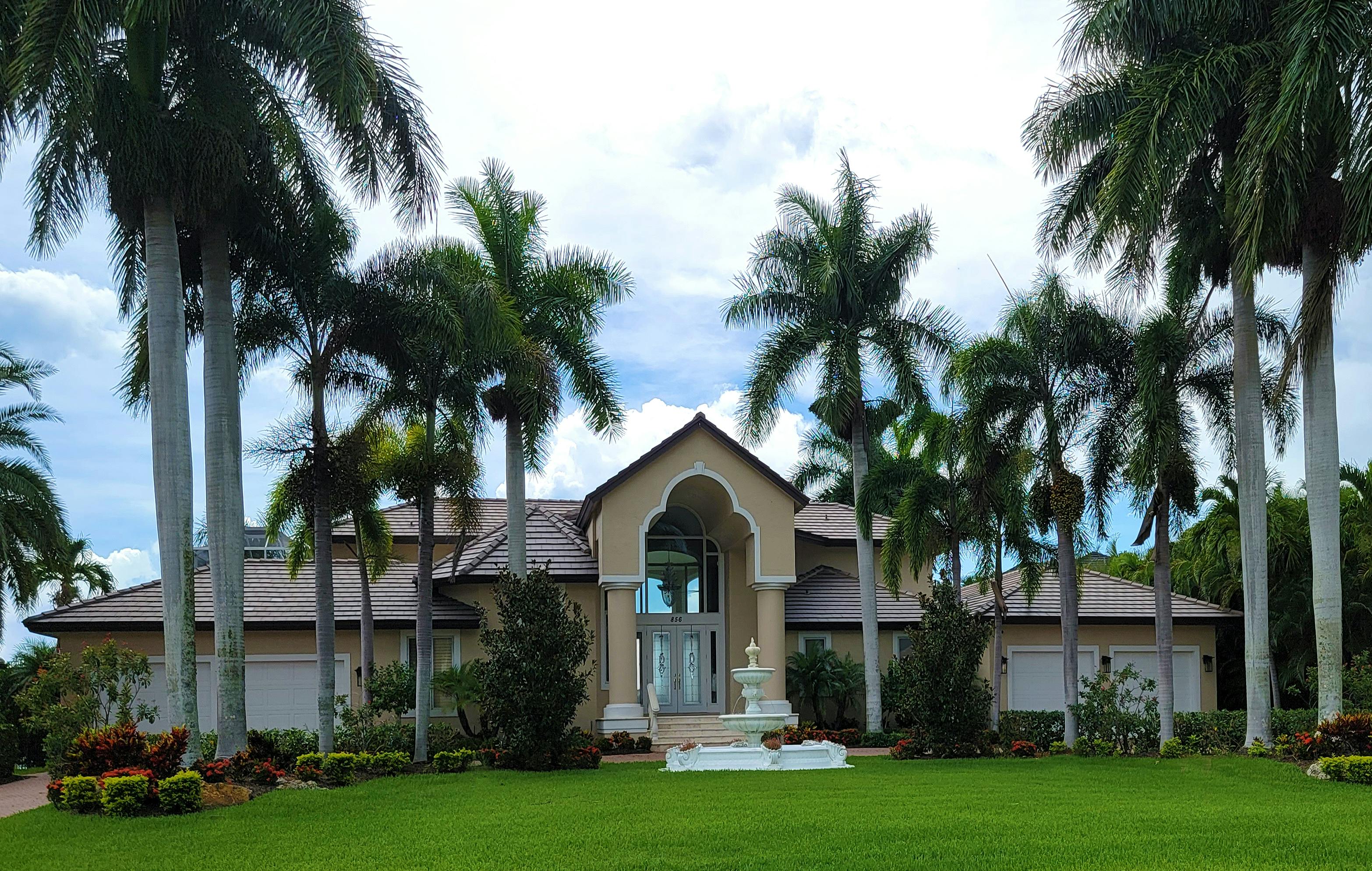
Great Neck Waterfront Homes: Broad Bay, Lynnhaven River & Linkhorn Bay
Great Neck is defined by water. Three named bodies of water wrap around the peninsula, dozens of canals run inland from them, and the Lynnhaven Inlet provides direct passage to the Chesapeake Bay. If you have ever stood on the Lesner Bridge at sunset and watched the boat traffic head out into the Bay, you have seen what makes Great Neck waterfront living distinct from anywhere else in Hampton Roads.
This guide breaks down each of the three waterways, the canal systems that feed them, how pricing works across the waterfront tiers, what flood zones to expect, and what buyers need to know about insurance before writing an offer on a waterfront home in Virginia Beach.
The Three Waterways That Define Great Neck
Great Neck is bounded by three distinct named water bodies, each with its own character, depth profile, and lifestyle. Understanding which waterway you are buying on is the first step in evaluating any waterfront listing inside the peninsula.
Broad Bay
Broad Bay sits on the eastern side of Great Neck. It is the largest and deepest of the three bodies of water that touch the peninsula. Broad Bay homes are typically the highest priced waterfront tier in Great Neck because of the open water views, the deeper navigation, and the direct path to the Chesapeake Bay through the Lynnhaven Inlet.
Waterfront properties on Broad Bay range from roughly $1M up to $5M and above. Deep water dock access is common, and many of these homes can accommodate larger sailboats and powerboats that cannot navigate shallower canals.
Lynnhaven River (Eastern Branch)
The Eastern Branch of the Lynnhaven River runs along the western boundary of Great Neck. The river has a long history in Hampton Roads. It was named in 1635 by colonial settler Adam Thoroughgood after his hometown of King's Lynn in Norfolk, England, and the Lynnhaven oyster trade made the river nationally known through the 19th century.
Today, Lynnhaven River waterfront in Great Neck includes both direct river frontage and properties that sit on canal extensions. Pricing typically runs from $700K to $2.5M depending on water depth, lot size, and dock condition.
Linkhorn Bay
Linkhorn Bay sits at the southern point of the peninsula and is the smaller, more enclosed of the three bays. It is best known as the centerpiece of the Alanton sub neighborhood, which sits inside the broader Great Neck corridor. Linkhorn Bay frontage typically commands premium pricing in the Alanton zone, with estates frequently above $1.5M.
Linkhorn Bay's enclosed character provides protected mooring for sailboats and offers a calmer water experience than Broad Bay, while still maintaining access out to the Chesapeake Bay through the Lynnhaven system.
The Canal System
Outside of direct bay frontage, Great Neck has an extensive canal network that runs inland from each of the three main waterways. Canal front lots offer a more accessible price point into waterfront living, typically running from $400K to $700K depending on depth, dock condition, and the specific canal's access to open water.
Canal width and depth vary. Some canals can accommodate full size powerboats and sailboats with low draft. Others are best suited to smaller craft, kayaks, and jet skis. Always verify the navigability of a specific canal before writing an offer on a property that markets boat access, especially if you own a vessel with a tall mast or deep draft.
The Lynnhaven Inlet and the Lesner Bridge
The single most important piece of infrastructure for any Great Neck waterfront homeowner is the Lynnhaven Inlet, the channel that connects the entire Lynnhaven system to the Chesapeake Bay. The Lesner Bridge spans the inlet on Shore Drive, and the bridge clearance determines what sailboats can pass through.
The current Lesner Bridge has roughly 30 feet of clearance at high tide, which accommodates most powerboats and many smaller sailboats. Larger sailboats with taller masts can still access the Bay through the Lynnhaven system, but you should verify clearance for your specific vessel.
Once through the inlet, Great Neck boaters have direct access to the Chesapeake Bay, the Chesapeake Bay Bridge Tunnel grounds, the Atlantic Ocean approaches, and the entire Mid Atlantic coastal cruising network. This connectivity is one of the central reasons Great Neck waterfront pricing holds the way it does.
Marinas Near Great Neck
For waterfront living without owning a private dock, Great Neck has direct access to two primary marinas:
Marina Shores Marina. One of the largest marina facilities in Virginia Beach, located on Long Creek. Slip rentals, dry storage, fuel, and full service support. Marina Shores is the home base for many Great Neck residents who own larger powerboats.
Long Shore Marina. A smaller marina with slip rentals and good access to the Lynnhaven system. Long Shore is closer to the heart of Great Neck and is a common choice for residents who want walking or short driving distance to their boat.
Slip rental availability and pricing change year over year. If marina access is a key piece of your purchase decision, line up a slip rental quote during the home search rather than after closing.
Waterfront Pricing Tiers in Great Neck
Great Neck waterfront pricing breaks down into recognizable tiers. Use these as starting reference points only. Actual values change with market conditions, dock condition, and water access quality.
Canal front, smaller craft access: $400K to $600K. Often older homes on narrower canals.
Canal front, full boat access: $600K to $900K. Wider canals, navigable to most powerboats, often with updated bulkheads and docks.
River and bay views without direct frontage: $700K to $1.1M. Water adjacent lots with views and walking access to docks or marinas.
Direct Lynnhaven River frontage: $900K to $2.5M. Riverfront lots with private docks and deeper water access.
Linkhorn Bay frontage (Alanton zone): $1M to $5M and above. The most exclusive tier, frequently with multi acre lots.
Broad Bay frontage: $1M to $5M and above. Open water views, the deepest navigation, and the most direct path to the Chesapeake Bay.
Flood Zones and Insurance on Great Neck Waterfront
Any conversation about Great Neck waterfront has to include flood zones. Parts of Great Neck along the Lynnhaven River, Linkhorn Bay, and Broad Bay sit in FEMA AE and VE flood zones. Interior lots in neighborhoods like Princess Anne Hills and parts of Linkhorn Park sit in lower risk X zones.
Flood insurance premiums on waterfront homes can range from approximately $500 per year for low elevation X zone properties up to $8,000 or more per year for VE zone properties at coastal exposure. The variables that drive premium pricing include:
Base flood elevation versus the lowest finished floor of the home
Whether the home is built on piles, slab, or crawl space
Distance to the nearest open water body
Construction date and whether the home meets current FEMA elevation standards
Whether the policy is purchased through the National Flood Insurance Program or a private flood insurer
Always pull a flood insurance quote on a specific property during your due diligence period. The annual premium can move your total monthly housing cost by hundreds of dollars and should be evaluated alongside the mortgage and property tax payment.
What Most Waterfront Buyers Get Wrong in Great Neck
They underestimate dock and bulkhead maintenance costs
Waterfront homes carry ongoing maintenance that interior properties do not. Bulkheads need inspection and eventual replacement. Docks need pressure washing, board replacement, and occasional piling work. Boat lifts need cable and motor service. Plan a waterfront maintenance reserve into your purchase decision from day one.
They focus on the view and ignore the access
A beautiful view from a deck does not mean a navigable channel. Some canals look picturesque but cannot accommodate the boat the buyer actually plans to use. If your purchase thesis depends on boat access, walk the dock and the canal at low tide before writing the offer.
They skip the flood insurance quote until after escrow
Flood insurance premiums can be a four figure annual cost difference between two otherwise similar homes. Get the quote during due diligence so the number is in front of you before the inspection contingency expires.
Great Neck Waterfront FAQ
What waterways does Great Neck sit on?
Great Neck is bounded by Broad Bay to the east, the Eastern Branch of the Lynnhaven River to the west, and Linkhorn Bay at the southern point. An extensive canal network runs inland from each of these waterways.
Can you boat from Great Neck to the Chesapeake Bay?
Yes. The Lynnhaven River system connects to the Chesapeake Bay through the Lynnhaven Inlet under the Lesner Bridge on Shore Drive. From there, boaters have access to the Bay, the Chesapeake Bay Bridge Tunnel grounds, and Atlantic Ocean approaches.
What does waterfront cost in Great Neck?
Waterfront pricing ranges from approximately $400K for entry level canal front lots up to $5M and above for premium Broad Bay and Linkhorn Bay estates. Most active waterfront transactions fall between $700K and $2.5M depending on water type and dock access.
Are Great Neck waterfront homes in flood zones?
Parts of Great Neck along the Lynnhaven River, Linkhorn Bay, and Broad Bay sit in FEMA AE and VE flood zones. Interior lots generally sit in lower risk X zones. Always verify the specific FEMA flood map and pull a flood insurance quote during due diligence.
What marinas are near Great Neck?
The two primary marinas serving Great Neck are Marina Shores Marina on Long Creek and Long Shore Marina. Both offer slip rentals for residents without private docks.
How deep is the water on Broad Bay?
Broad Bay is the deepest of the three primary waterways surrounding Great Neck. Depths vary across the bay, but most areas can accommodate full size powerboats and many sailboats. Always check a current depth chart for the specific dock or anchorage you plan to use.
What is the Lynnhaven Inlet?
The Lynnhaven Inlet is the channel that connects the Lynnhaven River system to the Chesapeake Bay. The Lesner Bridge on Shore Drive spans the inlet. This single passage is what gives Great Neck boaters direct access to open Bay water.
About the Author
John King is a Navy veteran and licensed real estate agent with Berkshire Hathaway RW Towne Realty, serving Hampton Roads including Virginia Beach, Norfolk, and Chesapeake. Known for his straightforward approach and market expertise.
📞 757-270-3994 📧 [email protected] 🌐 www.757King.com
Curious what your home is worth in today's market? Get a free home valuation and find out where you stand.


Innovation
Fresh, creative solutions.

Integrity
Honesty and transparency.

Excellence
Top-notch services.

FOLLOW US


COMPANY
CUSTOMER CARE
LEGAL
Copyright 2026 John King | KingRealtor757. All Rights Reserved.