








Great Neck Virginia Beach: Neighborhood Guide, Homes & Schools (2026)
Great Neck Virginia Beach: The Complete Neighborhood Guide (2026)
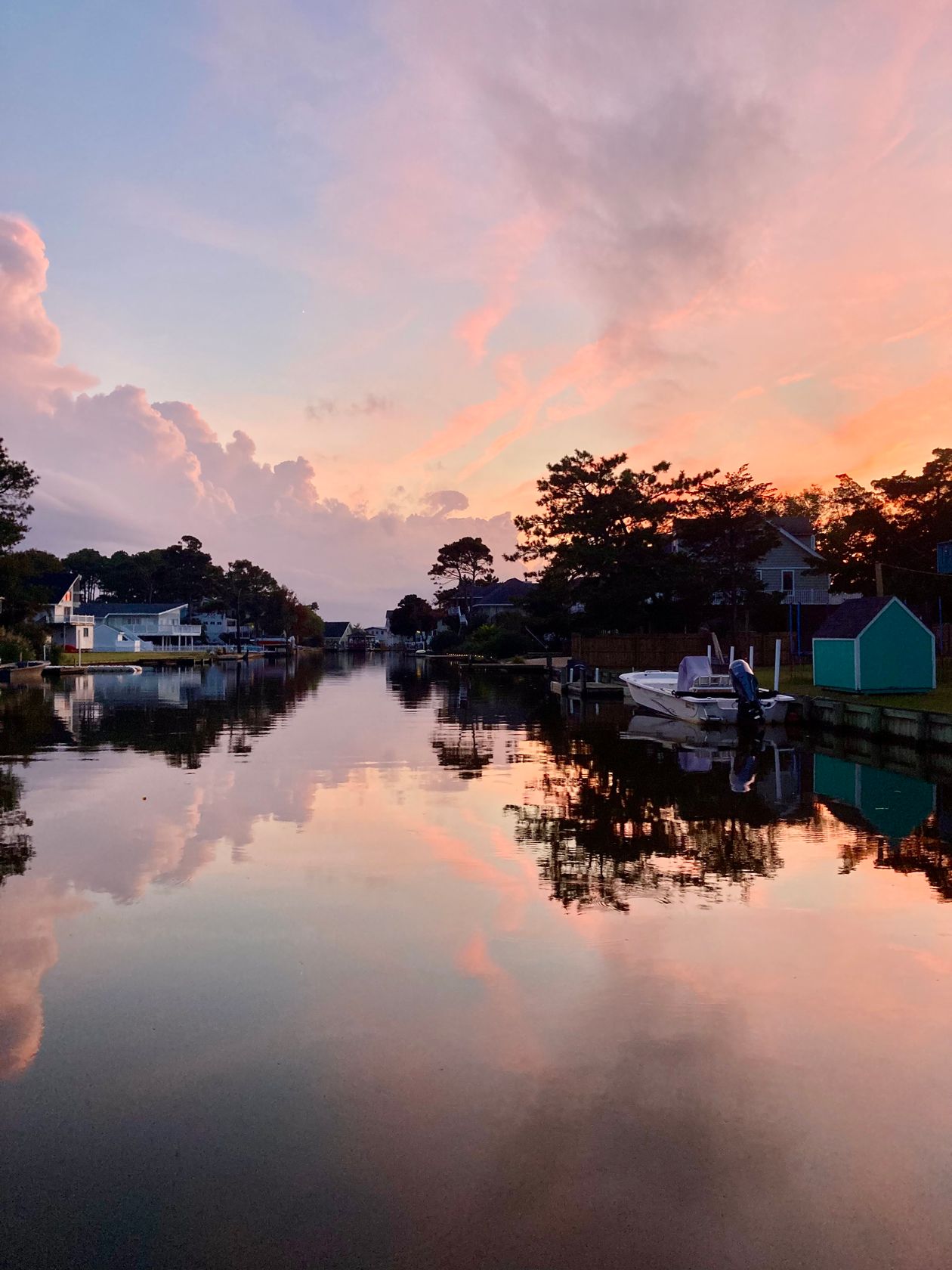
If you are searching for a community that blends waterfront living, top-rated schools, and one of Hampton Roads' most desirable addresses, Great Neck Virginia Beach belongs at the top of your list. Situated on a peninsula between Lynnhaven Bay and the Chesapeake Bay, the Great Neck corridor offers a lifestyle that buyers from across the country specifically seek out — and often struggle to find unless they have the right local guide.
This is the definitive resource on Great Neck Virginia Beach real estate, neighborhoods, schools, lifestyle, and what you need to know before you buy or sell here in 2026.
Where Is Great Neck Virginia Beach?
Great Neck is a peninsula community in the northern section of Virginia Beach, bordered by Lynnhaven Inlet to the south, the Chesapeake Bay to the north, and the Lynnhaven River system to the east. The area is defined by water — creeks, coves, and bay frontage shape nearly every neighborhood within it.
Major roads through the corridor include Great Neck Road, North Great Neck Road, and Wolfsnare Road. The area sits roughly 15 minutes from the Virginia Beach Oceanfront, 20 minutes from Naval Station Norfolk, and under 30 minutes from NAS Oceana. It is also well outside the primary noise zone for Oceana, making it an appealing option for buyers who want proximity to the base without the jet noise. For more on base proximity and BAH-aligned neighborhoods, see our Hampton Roads Neighborhood Guide for Military Families.
Great Neck Neighborhoods: What Is Inside the Corridor
The Great Neck corridor is not a single neighborhood — it is a collection of distinct communities, each with its own character, price range, and waterfront access profile. Here is what buyers actually find when they explore the area.
Alanton
Alanton is the crown jewel of the Great Neck peninsula. Deep-water access on Linkhorn Bay, private dock lots, estate-sized properties, and prices ranging from the high $800s to well over $5 million define this neighborhood. If waterfront luxury is the goal, Alanton is where that conversation starts. Learn everything you need to know in our Alanton Virginia Beach Complete Neighborhood Guide.
Great Neck Middle Corridor
South of Alanton, the middle corridor includes neighborhoods like Castleton, Wolfsnare Plantation, Fox Run, and several other established subdivisions. Homes here typically range from the mid $400s to the $900s, with larger lots, mature trees, and a quieter suburban character. Many homes back to wooded buffers or interior ponds rather than open water.
North Great Neck
Closer to the Chesapeake Bay, North Great Neck features communities with bay views and some of the most sought-after addresses in the entire Virginia Beach market. Properties here can range from the $500s to several million depending on waterfront access and lot size.
Cape Henry and Broad Bay Colony
On the eastern edges of the broader peninsula, Cape Henry and Broad Bay Colony offer access to Broad Bay and the Lynnhaven system. These neighborhoods appeal to boaters and water enthusiasts looking for a slightly different character than the Linkhorn Bay side of the corridor.
Great Neck Virginia Beach Real Estate Market: What Buyers Pay in 2026
The Great Neck corridor spans a wide price range depending on neighborhood, waterfront status, and property size. Here is a general framework for 2026 buyers:
Non-waterfront homes in the middle corridor: $400,000 – $700,000
Waterfront or water-view properties in mid-corridor neighborhoods: $600,000 – $1.2 million
Deep-water access or private dock properties in Alanton: $900,000 – $3 million+
Luxury waterfront estates on Linkhorn Bay: $2 million – $5 million+
The Hampton Roads median home price is approximately $360,000 as of April 2026 — Great Neck sits meaningfully above that median, driven by its school quality, location, and water access premium. Days on market for well-priced Great Neck homes average under three weeks. Sellers who overprice for the waterfront premium often sit. If you are considering selling, read our guide on Why Overpricing Your Virginia Beach Home Will Cost You.
Schools: Why Great Neck Buyers Specifically Request This Corridor
School quality is one of the primary drivers of the Great Neck price premium. The corridor feeds into some of the strongest schools in the Virginia Beach City Public Schools system.
Great Neck Elementary School — consistently rated among the top elementary schools in Virginia Beach
Great Neck Middle School — one of the top-performing middle schools in the city
First Colonial High School — academically competitive high school with strong AP programming, athletics, and extracurriculars
For families relocating to Hampton Roads with school-age children, this feeder pattern alone often narrows the search to the Great Neck corridor. Military families PCSing to Naval Station Norfolk or NAS Oceana frequently prioritize this zone for exactly that reason.
Water Access in Great Neck: What Buyers Need to Know
Water access in Great Neck is not uniform, and buyers who do not understand the distinctions often overpay for a property with limited utility or miss opportunities on properties with significant waterfront value.
There are four categories of water access in the Great Neck corridor: (1) deep-water private dock access suitable for larger vessels, (2) shallow-water dock access suitable for kayaks and small boats, (3) water view without direct access, and (4) interior non-water properties. Each category carries a meaningfully different price and a different set of due diligence questions around tidal fluctuation, flood zone designation, and dock permitting. For a deeper dive, see our guide on Waterfront Homes in Alanton Virginia Beach.
Lifestyle: What Living in Great Neck Virginia Beach Actually Looks Like
Great Neck is a community where residents tend to stay for decades. The lifestyle appeal is specific: quiet, established neighborhoods with water access, excellent schools, and reasonable proximity to employment centers without the density of urban Virginia Beach.
Common activities for Great Neck residents include boating on Lynnhaven Bay, kayaking the inland waterways, fishing, stand-up paddleboarding, and access to Lynnhaven Inlet for bay fishing and offshore runs. The area has quick access to Shore Drive for dining and waterfront restaurants, and the Virginia Beach Oceanfront is a short drive for weekend beach days. For more on the Shore Drive corridor, see our Shore Drive Virginia Beach Complete Guide.
Commute Times From Great Neck Virginia Beach
Great Neck sits in one of the better commute positions in the metro area. Here are realistic commute estimates from the middle of the corridor during normal traffic:
Naval Station Norfolk: 20–28 minutes via I-64
NAS Oceana: 18–22 minutes via Great Neck Road and Dam Neck Road
JEB Little Creek: 12–18 minutes
Virginia Beach Oceanfront: 15–20 minutes
Norfolk CBD: 25–35 minutes
Chesapeake: 35–45 minutes
Flood Zones in Great Neck: What Every Buyer Must Verify
Given the waterfront character of the corridor, flood zone designations matter significantly in Great Neck. Properties in FEMA Flood Zone AE require flood insurance and typically carry meaningful annual premiums. Non-waterfront properties in X zones do not require flood insurance, though lenders may still recommend it.
Any buyer under contract on a waterfront or water-adjacent property in Great Neck should verify the current flood zone designation, request a copy of the current flood insurance policy, and get an elevation certificate reviewed during the due diligence period. Flood insurance premiums in Hampton Roads have increased significantly in recent years under FEMA's Risk Rating 2.0 methodology. For a full breakdown, see our Flood Zone and Insurance Guide for Hampton Roads Buyers.
Is Great Neck Virginia Beach Right for You?
Great Neck is the right fit for buyers who prioritize school quality, water access or proximity, an established neighborhood character, and reasonable proximity to military installations and employment. It is not the neighborhood for buyers seeking the most affordable entry point into Virginia Beach or the walkable density of Town Center.
For sellers, Great Neck commands strong demand from a specific, qualified buyer pool — families with school-age children, buyers upgrading from interior neighborhoods, and military families who know the corridor. Pricing strategy matters here because comparables span a wide range and buyers doing their homework will push back on overpricing.
Ready to Buy or Sell in Great Neck Virginia Beach?
John King has spent over 13 years working the Great Neck corridor — from entry-level non-waterfront properties to waterfront estates on Linkhorn Bay. He understands the school feeder patterns, the water access distinctions, the flood zone nuances, and what drives real value in each sub-neighborhood.
Whether you are buying your first home in the corridor or selling a property you have owned for twenty years, the conversation starts with an honest market analysis based on real data — not what you hope to hear. Call John King directly at (757) 270-3994 or visit 757King.com to get started.
John King is a Realtor with Berkshire Hathaway HomeServices RW Towne Realty, serving Virginia Beach, Norfolk, Chesapeake, and all of Hampton Roads. Licensed in Virginia. Equal Housing Opportunity.


Innovation
Fresh, creative solutions.

Integrity
Honesty and transparency.

Excellence
Top-notch services.

FOLLOW US


COMPANY
CUSTOMER CARE
LEGAL
Copyright 2026 John King | KingRealtor757. All Rights Reserved.