West Ghent: Norfolk's Historic Elizabeth River Neighborhood
West Ghent is a historic residential neighborhood on the western edge of Norfolk's Ghent District, set along the Elizabeth River at the eastern mouth of the Midtown Tunnel. Known for tree shaded streets, an eclectic mix of early twentieth century architecture, a beloved neighborhood swim club, and a genuine luxury tier of grand historic homes, it completes the trio of neighborhoods that make up greater Ghent. This post is part of our guide to the Ghent District.
The Third Neighborhood of Ghent
The Ghent District comprises three distinct neighborhoods: historic Ghent, Ghent Square, and West Ghent. Each has its own character and its own moment of origin.
Historic Ghent came first. In 1890, a group of prominent investors chartered the Norfolk Company and set out to build Norfolk's first planned residential suburb on farmland named for the Treaty of Ghent, the agreement signed in Ghent, Belgium, in 1814 that ended the War of 1812. They hired a Philadelphia civil engineer named John Graham to lay it out, connected it to the city by streetcar, and built its most prominent feature: the arching street bounding the body of water once called Smith's Creek and rechristened The Hague in 1897. That original area, south of Olney Road, was largely built between 1892 and 1907.
West Ghent came later. As the Norfolk Company expanded construction north and west of the original plat, the neighborhoods beyond Princess Anne Road filled in through the following decades. The average home in West Ghent dates to about 1925, placing its development squarely in the era when Norfolk was growing rapidly outward, and giving the neighborhood a slightly different architectural flavor than its older sibling to the east.
An Eclectic Architectural Collection
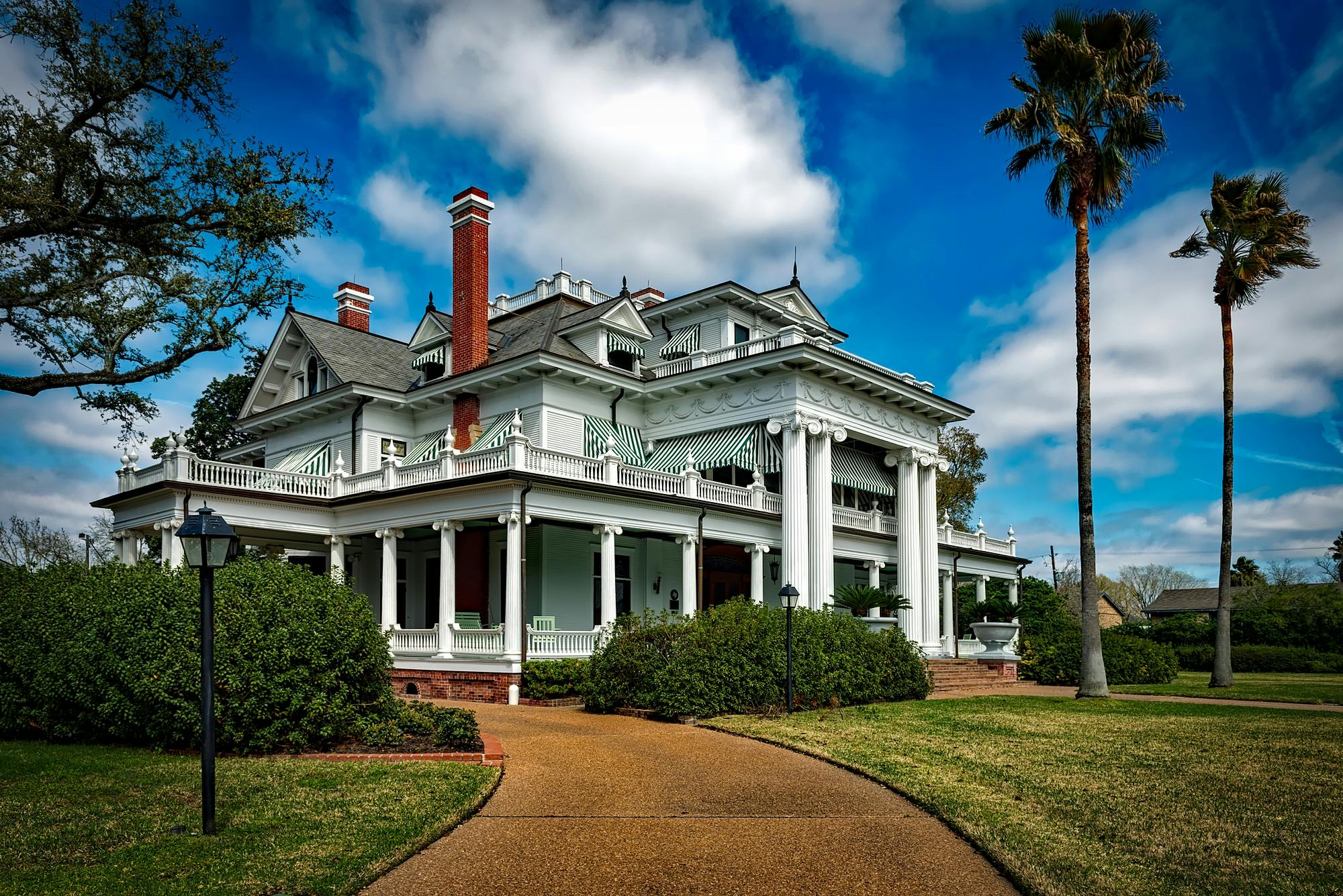
Like the rest of Ghent, West Ghent was built without rigid design rules, and the result is one of the more varied streetscapes in the city. Craftsman bungalows stand alongside Colonial Revival homes. Dutch Colonials appear near Spanish Hacienda style houses. The scale stays comfortable and the streets stay shaded, and no two blocks look quite the same.
The oldest homes reach back further than the neighborhood's 1925 average suggests. Grand residences from the 1910s and 1920s line streets like Graydon Avenue, West Princess Anne Road, Armistead Bridge Road, and Mallory Court, some of them approaching or exceeding four thousand square feet. These are the architecturally significant houses that anchor the top of the West Ghent market.
Parks, the River, and a 350 Year Old Oak
West Ghent's setting is a large part of its appeal. The neighborhood is threaded with green space and bordered by water.
Jeff Robertson Park sits along the Elizabeth River Trail, the walking and cycling path that runs through the neighborhood and connects it to much of the city's waterfront. Beside it lies the Weyanoke Bird and Wildflower Sanctuary, dedicated to protecting local birds and marshland. Graydon Park offers a smaller green and hosts the neighborhood's annual Christmas tree lighting.
The most remarkable of them is Westover Memorial Park, tucked among the residences, where a live oak estimated at roughly three hundred and fifty years old was dedicated to the veterans of the First World War in April 1923. That tree was already centuries old when the Norfolk Company drew its first plat, and it still stands.
A Neighborhood Institution
For more than fifty years, the Mallory Country Club has been a fixture of summer in West Ghent. Open from Memorial Day through Labor Day, the neighborhood swim club offers a guarded outdoor pool, a snack bar, live music, and community events, and it functions as an informal town square for the neighborhood in the warm months.
Dining is close at hand as well. Orapax Restaurant and Bar, a longstanding family owned Greek and Mediterranean spot with a shaded patio, has been a West Ghent institution for years, and the restaurants and breweries of the Chelsea district and Colley Avenue sit just beyond the neighborhood's edges.
The location is unusually convenient. The Midtown Tunnel and Hampton Boulevard border the neighborhood, a light rail station sits less than a mile away near the medical center, and Norfolk International Airport is about seven miles out.
The West Ghent Market
West Ghent supports a real luxury tier, and the recent sales record proves it rather than merely promising it.
Over the past six months, the neighborhood's detached historic homes have sold across a wide band, with the heart of the market running from the low five hundred thousands into the eight hundred thousands. Above that, two homes crossed the one million dollar mark. A five bedroom home from 1936 on West Princess Anne Road sold at one million ten thousand dollars, and a 1912 residence of more than five thousand square feet on Graydon Avenue closed at one million thirty thousand dollars. A 1922 home on Graydon Avenue sold at eight hundred twenty nine thousand dollars. Condominiums and attached homes occupy a separate segment, generally trading from the high one hundred thousands into the mid four hundred thousands.
What stands out is the speed and the competition. Numerous West Ghent homes have recently sold at or above their asking prices, and many have moved in days rather than months. A home on Graydon Place listed at five hundred thirty nine thousand dollars and closed at six hundred thousand within three days. A 1920 home on Brandon Avenue listed at four hundred ninety nine thousand dollars and sold for five hundred twenty five thousand in four days. A home on West Princess Anne Road listed at seven hundred thousand dollars and closed at seven hundred forty seven thousand five hundred. Several properties went under contract on the day they listed. When a home in West Ghent is priced correctly and shows well, buyers compete for it.
What This Means for Sellers
West Ghent rewards sellers who understand exactly what they have. A Craftsman bungalow, a Dutch Colonial, a renovated 1920s residence, and a grand historic home approaching seven figures are entirely different products reaching entirely different buyers, and the neighborhood's architectural variety means true comparable sales can be scarce at the top.
The recent record makes the stakes plain. Homes priced correctly have sold quickly and frequently above asking, sometimes within a day. Reading where a specific home fits in this varied market, pricing it against a fast moving and eclectic set of comparables, and presenting its architecture, its history, and its setting to the right buyers is what produces a strong, timely sale. That is the work a Luxury Collection Specialist brings to a West Ghent listing.
Key Facts: West Ghent at a Glance
Location: The western neighborhood of Norfolk's Ghent District, on the Elizabeth River at the eastern mouth of the Midtown Tunnel, bordered by Hampton Boulevard
Origins: Developed after the original Ghent plat as the Norfolk Company expanded north and west, with the average home dating to about 1925
Architecture: An eclectic mix of Craftsman, Colonial Revival, Dutch Colonial, and Spanish Hacienda style homes, with grand residences from the 1910s and 1920s on Graydon Avenue, West Princess Anne Road, Armistead Bridge Road, and Mallory Court
Parks: Jeff Robertson Park on the Elizabeth River Trail, the Weyanoke Bird and Wildflower Sanctuary, Graydon Park, and Westover Memorial Park, home to a live oak of roughly three hundred and fifty years dedicated to First World War veterans in April 1923
Community: The Mallory Country Club swim club, a neighborhood fixture for over fifty years, and Orapax Restaurant and Bar
Market as of 2026: Detached historic homes recently sold from the low five hundred thousands into the eight hundred thousands, with two closings above one million dollars, and many homes selling at or above asking price within days
Frequently Asked Questions
Where is West Ghent in Norfolk?
West Ghent is the western neighborhood of Norfolk's Ghent District, sitting on the Elizabeth River at the eastern mouth of the Midtown Tunnel and bordered by Hampton Boulevard. It is one of three neighborhoods that make up greater Ghent, along with historic Ghent and Ghent Square.
When was West Ghent built?
West Ghent developed after the original Ghent subdivision, as the Norfolk Company expanded construction north and west of its first plat. The average home in West Ghent dates to about 1925, though a number of its grandest residences were built in the 1910s and early 1920s.
What kinds of homes are in West Ghent?
West Ghent offers an eclectic mix of early twentieth century architecture, including Craftsman bungalows, Colonial Revival homes, Dutch Colonials, and Spanish Hacienda style houses, along with condominiums and attached homes. Its largest historic residences exceed three thousand square feet.
How much do homes in West Ghent cost?
Over the past six months, detached historic homes in West Ghent have sold from the low five hundred thousands into the eight hundred thousands, with two homes closing above one million dollars. Condominiums and attached homes generally trade from the high one hundred thousands into the mid four hundred thousands. A professional market analysis is the best way to value a specific home.
What is there to do in West Ghent?
West Ghent is highly walkable, with the Elizabeth River Trail running through it and several parks including Jeff Robertson Park, the Weyanoke Bird and Wildflower Sanctuary, Graydon Park, and Westover Memorial Park. The Mallory Country Club swim club has anchored neighborhood summers for more than fifty years, and Orapax Restaurant and Bar is a longtime local favorite.
Thinking about making a move here? Start with how I guide Hampton Roads buyers, built on documented case studies of real Hampton Roads transactions.
Sources
Ghent Neighborhood League (ghentneighborhoodleague.org)
National Register of Historic Places, Ghent Historic District nomination (1980), Virginia Department of Historic Resources
The Virginian-Pilot
Elizabeth River Trail
City of Norfolk parks records
Closed sales data, trailing 180 days, via the Real Estate Information Network (REIN MLS)
Related guides from John King
Written by John King, Navy veteran & REALTOR®, Berkshire Hathaway HomeServices RW Towne Realty · (757) 270-3994 · About John
