Pungo Virginia Beach Guide: Rural Land, Farms, Witch of Pungo
Pungo is the rural heart of Virginia Beach. Tucked into the southern part of the city between North Bay and the North Landing River, Pungo is a working farmland community of strawberry fields, equestrian properties, wooded acreage, and custom homes on large private lots, all within a city better known for its oceanfront resort strip. It is also the home of one of the most famous figures in Virginia history, Grace Sherwood, the Witch of Pungo, whose story has been told here for more than three centuries. For buyers who want genuine acreage, a farm or equestrian lifestyle, and country living with city amenities minutes away, Pungo is unlike anywhere else in Virginia Beach.
If you are searching Virginia Beach for land, a farmhouse on acreage, an equestrian property, or a custom estate with room to breathe, Pungo belongs at the top of your list. This guide covers where Pungo sits, its history including the Witch of Pungo, what makes it different, current pricing, and what buyers should know before writing an offer.
Where Pungo Sits in Virginia Beach
Pungo is located in the southern, rural part of Virginia Beach, tucked between North Bay and the North Landing River. It is a crossroads farming community, centered near the intersection of Princess Anne Road and Indian River Road, often marked by the Pungo stoplight that locals use as a landmark.
Pungo was originally part of Princess Anne County until 1963, when the entire county merged into the modern City of Virginia Beach. Despite carrying a Virginia Beach address, Virginia Beach schools, Virginia Beach property tax rates, and full city services, Pungo retains a distinctly rural character that sets it apart from the rest of the city.
The community sits near some of the most unspoiled natural land on the East Coast. The Back Bay National Wildlife Refuge and False Cape State Park lie within reach, offering birdwatching, kayaking, hiking, and miles of protected coastline. Yet despite the rural feel, Pungo is only about twenty minutes from the Virginia Beach Oceanfront, twenty five minutes from Town Center, and thirty minutes from the Norfolk naval bases in good traffic.
The History of Pungo and Its Name
Pungo carries a name with deep roots in the area's Native American history. The community was named for a local Native American chief, Machiopungo. The name connects Pungo to the broader Native American history of the region, alongside the Chesapeake people remembered across Virginia Beach in places like the Chesepioc village site and Chesopeian Colony.
For generations, Pungo has been farmland. As much of southern Virginia Beach was settled, the area developed into an agricultural community of working farms, and that identity has endured. Even today, Pungo is defined by its strawberry and blueberry fields, its equestrian farms, and its agricultural way of life, anchored by longstanding community traditions like the Pungo Strawberry Festival and the Virginia Beach 4-H Livestock Show and Sale.
The Witch of Pungo: The Story of Grace Sherwood
No figure is more closely tied to Pungo than Grace Sherwood, remembered for more than three hundred years as the Witch of Pungo. She is called the Witch of Pungo for a simple reason: Pungo was her home.
Grace White was born in 1660 in what was then Princess Anne County. Around 1680 she married a farmer named James Sherwood, and the couple raised three sons on more than one hundred acres of Pungo farmland. Grace was a farmer, an herbalist, a healer, and a midwife. She grew her own herbs to care for both people and animals, and she helped deliver babies for women across the area. After her husband died in 1701, Grace continued running the farm herself with her sons, work that was considered unusual for a widow at the time.
Grace stood out. Surviving accounts describe her as independent, outspoken, and a non-conformist who wore pants while working the land rather than the dresses expected of women in that era. She was known for her skill with herbs and her care for animals. To some of her neighbors, that independence and that knowledge were threatening.
The accusations began in 1697, when a local man claimed Grace had used a spell to kill his bull. More accusations followed over the years, with neighbors blaming her for ruined crops, dead livestock, and other misfortunes. In January 1706, Luke Hill formally accused her of witchcraft, claiming she had bewitched his wife Elizabeth. The case moved through the Princess Anne County court, and a jury of women was appointed to examine her.
Finally, the court ordered a trial by water, a ducking, to determine her guilt or innocence. The belief was that consecrated water would reject a guilty person, so if she floated she was guilty, and if she sank she was innocent. When she was asked to repent at the Lynnhaven Parish Church, Grace is remembered for her reply: I be not a witch, I be a healer.
On the morning of July 10, 1706, Grace Sherwood was taken to a spot on the Lynnhaven River, several miles north of her Pungo home, at a place now known as Witchduck Point. She was cross bound, right thumb to left toe and left thumb to right toe, and thrown from a boat into the river. She managed to free herself and rise to the surface. Because she floated, she was declared guilty. Grace spent roughly eight years in jail. After her release, she returned to her farm in Pungo and lived quietly until her death around 1740, at about the age of eighty.
The Vindication of Grace Sherwood
For most of three centuries, Grace Sherwood's conviction stood. Then, in a remarkable act of historical justice, her name was cleared.
Driven by the research and advocacy of Belinda Nash of the Ferry Plantation House, who studied Grace's story for roughly twenty years, the case for exoneration was made to the Commonwealth. On July 10, 2006, the three hundredth anniversary of her ducking, Governor Tim Kaine formally restored Grace Sherwood's good name, and the pardon was read publicly by Virginia Beach Mayor Meyera Oberndorf. In 2007, a statue of Grace Sherwood was unveiled near Sentara Bayside Hospital at the corner of North Witchduck Road and Independence Boulevard. Sculpted by Robert Cunningham, the statue shows Grace holding a basket of herbs with a raccoon at her feet, honoring her love of animals and her work as a healer. Its pedestal recognizes her as one of the area's first healers. The Virginia Department of Historic Resources also placed a historical marker at Witchduck Point recognizing her trial.
Today, Grace Sherwood is remembered across Virginia Beach not as a villain but as a wronged woman, an independent healer persecuted by suspicion and jealousy, and the city celebrates her story. Her legacy lives on through local traditions, from a long running summer musical about her life to seasonal events that honor her memory each autumn. Her story is preserved at the Ferry Plantation House, near the site where she was tried, and she remains one of the most enduring and beloved figures in Virginia Beach history. The places that carry her memory, including Witchduck Road, Witch Duck Point, and Witch Duck Bay, keep her story alive in the everyday geography of the city.
What Makes Pungo Different
Several things set Pungo apart from the rest of Virginia Beach:
Genuine acreage in the city. Pungo is the one part of Virginia Beach where buyers can find large parcels of land, from half acre lots to properties of fifteen, twenty, or more acres, all within the city limits. For buyers who want real space, Pungo is essentially the only option in Virginia Beach at this scale.
A working farm and equestrian community. Pungo is home to working farms, u-pick strawberry and blueberry fields, and equestrian properties. Many homes include barns, paddocks, and agricultural zoned outbuildings, supporting a genuine rural and farm lifestyle.
Country living with city convenience. Despite its rural character, Pungo residents are minutes from city amenities. Grocery stores like Harris Teeter and big box retailers including Target and a Walmart Supercenter sit within about three miles of the heart of Pungo, and the Oceanfront, Town Center, and naval bases are all a reasonable drive away.
Access to protected natural land.The Back Bay National Wildlife Refuge and False Cape State Park are essentially in Pungo's backyard, offering some of the best birdwatching, kayaking, and unspoiled coastline on the Eastern Seaboard.
Deep history and genuine identity.From its name honoring the chief Machiopungo to the enduring story of the Witch of Pungo to its longstanding agricultural traditions, Pungo has a sense of history and identity that newer developments cannot replicate.
No homeowners associations on most properties. Many Pungo properties have no HOA, giving owners significant freedom over their land, a meaningful contrast to the planned communities found elsewhere in Virginia Beach.
Pungo Home Prices and Property Types
Pungo offers a range of rural properties, from traditional farmhouses to custom estates to raw land. Pricing depends heavily on acreage, home size, condition, and any agricultural or equestrian improvements.
Traditional farmhouses (roughly $425K to $800K)
The core of the Pungo market. Traditional farmhouses, typically 1,500 to 3,000 square feet on lots ranging from about two to ten acres, often with barns and outbuildings. These homes offer the classic Pungo rural lifestyle at accessible price points for the acreage.
Custom estate homes ($800K to $2M and above)
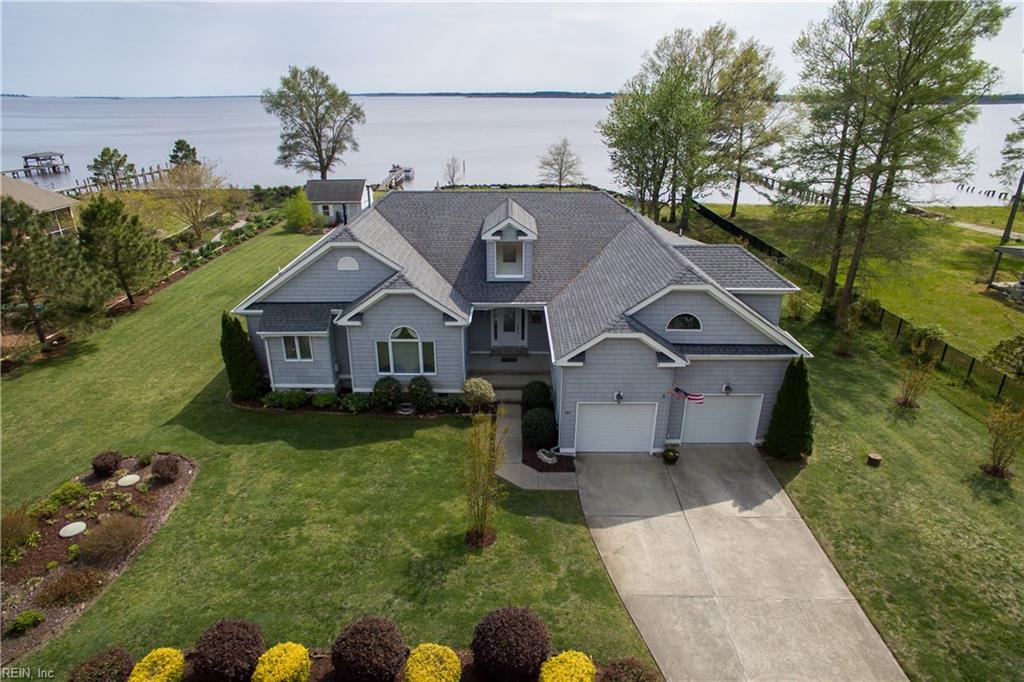
The upper tier of Pungo. Custom built estate homes, typically 3,000 to 5,000 or more square feet on five to twenty acres, frequently with horse facilities, ponds, workshop buildings, and high end finishes. Recent listings have included custom Craftsman and ranch style homes on private acreage, some with sweeping views toward Back Bay.
Land and acreage homesites
Pungo is one of the few places in Virginia Beach where buyers can purchase raw land and wooded acreage homesites to build a custom home. Recent offerings have included parcels of several acres, some with significant road frontage, mature woods, and proximity to equestrian properties.
Because Pungo properties vary so widely in acreage, improvements, and location, pricing ranges considerably. Always review recent comparable sales for the specific property type, acreage, and improvements when evaluating a listing.
Schools Serving Pungo
Pungo is served by Virginia Beach City Public Schools. Because Pungo is a large rural area in the southern part of the city, the specific elementary, middle, and high school assignments can vary significantly by address, and bus routes can be longer than in the more densely developed parts of Virginia Beach.
Always verify the specific elementary, middle, and high school assignments using the Virginia Beach City Public Schools street level lookup before writing an offer.
Lifestyle and Amenities
Pungo combines a genuine rural lifestyle with access to the wider Virginia Beach area.
Farms and u-pick fields.Pungo is known for its working farms and u-pick strawberry and blueberry fields, a defining part of the community's character and seasonal rhythm.
Back Bay National Wildlife Refuge and False Cape State Park. These protected natural areas offer birdwatching, kayaking, hiking, and miles of unspoiled coastline within easy reach of Pungo homes.
Local dining traditions. Pungo is home to longtime local favorites, including Blue Pete's Restaurant, a family owned seafood spot with waterfront views that has served the area since 1972, and Pungo Pizza and Ice Cream, a beloved local stop.
Community traditions. The Pungo Strawberry Festival is a longstanding community tradition celebrating the area's agricultural roots, and the Virginia Beach 4-H Livestock Show and Sale reflects Pungo's farming heritage.
The Military Aviation Museum.Located in the Pungo area, the Military Aviation Museum houses a large collection of vintage military aircraft, a unique local attraction.
Equestrian facilities. Pungo's many equestrian properties, barns, and paddocks support a genuine horse community within the city.
Commute Notes for Pungo
Pungo sits in the rural south of Virginia Beach, with the following approximate drive times in good traffic.
Virginia Beach Oceanfront:approximately 20 minutes
Virginia Beach Town Center:approximately 25 minutes
Naval Station Norfolk:approximately 30 minutes, no tunnel
NAS Oceana: approximately 20 minutes
Sentara Princess Anne Hospital:approximately 15 to 20 minutes
Grocery and big box shopping:approximately 5 to 10 minutes
Who Buys in Pungo
Common buyer profiles for Pungo include buyers who want genuine acreage and land within the city of Virginia Beach, equestrians who need barns, paddocks, and room for horses, buyers who want a farm or homestead lifestyle, custom home builders who want to purchase land and build, outdoor enthusiasts drawn to Back Bay, False Cape, and the wildlife refuge, buyers who want privacy and space without leaving Virginia Beach, and those drawn to the rural character, history, and identity of one of the city's most distinctive communities.
The buyer pool for Pungo is specific, because rural acreage living appeals to a particular kind of buyer. But for those buyers, Pungo offers something genuinely rare in a coastal city, and well presented properties with good land and improvements attract committed interest.
What Buyers Should Know Before Writing an Offer in Pungo
Well and septic systems
Most Pungo homes are on private well and septic systems rather than city water and sewer. Have the well water tested and the septic system inspected during due diligence, and understand the maintenance responsibilities that come with private systems.
Flood zones vary by parcel
Pungo flood risk is mixed. Some properties near Back Bay and the North Landing River sit in AE flood zones, while most upland properties are in lower risk X zones. Always order a flood determination and pull a flood insurance quote for the specific parcel during due diligence.
Broadband and connectivity
Broadband availability in Pungo has improved but still varies parcel by parcel. If you work from home or need reliable high speed internet, verify the available service at the specific property before closing. Some residents use satellite services such as Starlink as a backup.
Rural roads and services
Some Pungo properties front two lane roads without sidewalks or streetlights, and some have gravel or dirt driveways. The rural setting is part of the appeal, but it can also mean longer emergency response times than in denser parts of the city. Consider this when evaluating a property.
Agricultural zoning and land use
Many Pungo properties carry agricultural zoning or include agricultural outbuildings. If you plan to farm, keep horses, or use the land for agricultural purposes, verify the zoning, any land use tax arrangements, and what is permitted for the specific parcel.
Verify school assignments and acreage details
Because Pungo is large and rural, verify the specific school assignments using the Virginia Beach City Public Schools street level lookup, and confirm the exact acreage, easements, and survey details for any property before writing an offer.
Pungo FAQ
Where is Pungo in Virginia Beach?
Pungo is a rural farming community in the southern part of Virginia Beach, tucked between North Bay and the North Landing River, centered near the intersection of Princess Anne Road and Indian River Road. It is known for farmland, equestrian properties, and large parcels of land within the city.
Why is it called Pungo?
Pungo was named for a local Native American chief, Machiopungo. The area was originally part of Princess Anne County until 1963, when the county merged into the City of Virginia Beach.
Who was the Witch of Pungo?
The Witch of Pungo was Grace Sherwood, a farmer, healer, herbalist, and midwife who lived in Pungo and was the last person convicted of witchcraft in Virginia. She was tried by ducking in the Lynnhaven River on July 10, 1706, convicted when she floated, and jailed for roughly eight years. She is called the Witch of Pungo because Pungo was her home. In 2006, on the three hundredth anniversary of her trial, Governor Tim Kaine restored her good name.
Why was Grace Sherwood called the Witch of Pungo if she was ducked elsewhere?
Grace Sherwood lived and farmed in Pungo, which is why she is named for it. Her ducking took place several miles north, on the Lynnhaven River at what is now called Witchduck Point, but her home and her life were in Pungo, and that is where the nickname comes from.
What kind of homes are in Pungo?
Pungo offers traditional farmhouses, typically 1,500 to 3,000 square feet on two to ten acres, and custom estate homes of 3,000 to 5,000 or more square feet on five to twenty acres, often with horse facilities, ponds, and outbuildings. Raw land and acreage homesites are also available for buyers who want to build.
How much do homes cost in Pungo?
Pungo traditional farmhouses generally range from roughly $425K to $800K, while custom estate homes on larger acreage generally range from roughly $800K to $2M and above. Pricing depends heavily on acreage, home size, condition, and agricultural or equestrian improvements.
Does Pungo have city water and sewer?
Most Pungo homes are on private well and septic systems rather than city water and sewer. Buyers should have the well tested and the septic inspected during due diligence.
What is there to do in Pungo?
Pungo offers u-pick strawberry and blueberry farms, the Back Bay National Wildlife Refuge and False Cape State Park for outdoor recreation, the Military Aviation Museum, longtime local restaurants like Blue Pete's and Pungo Pizza and Ice Cream, and community traditions celebrating the area's agricultural roots.
Is Pungo still part of Virginia Beach?
Yes. Although Pungo has a distinctly rural character, it is fully part of the City of Virginia Beach, with a Virginia Beach address, Virginia Beach schools, Virginia Beach property tax rates, and full city services including fire, EMS, and police.
About the Author
John King is a Navy veteran and licensed real estate agent with Berkshire Hathaway RW Towne Realty, serving Hampton Roads including Virginia Beach, Norfolk, and Chesapeake. Known for his straightforward approach and market expertise.
📞 757-270-3994 📧 [email protected] 🌐 www.757King.com
Curious what your home is worth in today's market? Get a free home valuation and find out where you stand.
Related guides from John King
Written by John King, Navy veteran & REALTOR®, Berkshire Hathaway HomeServices RW Towne Realty · (757) 270-3994 · About John
