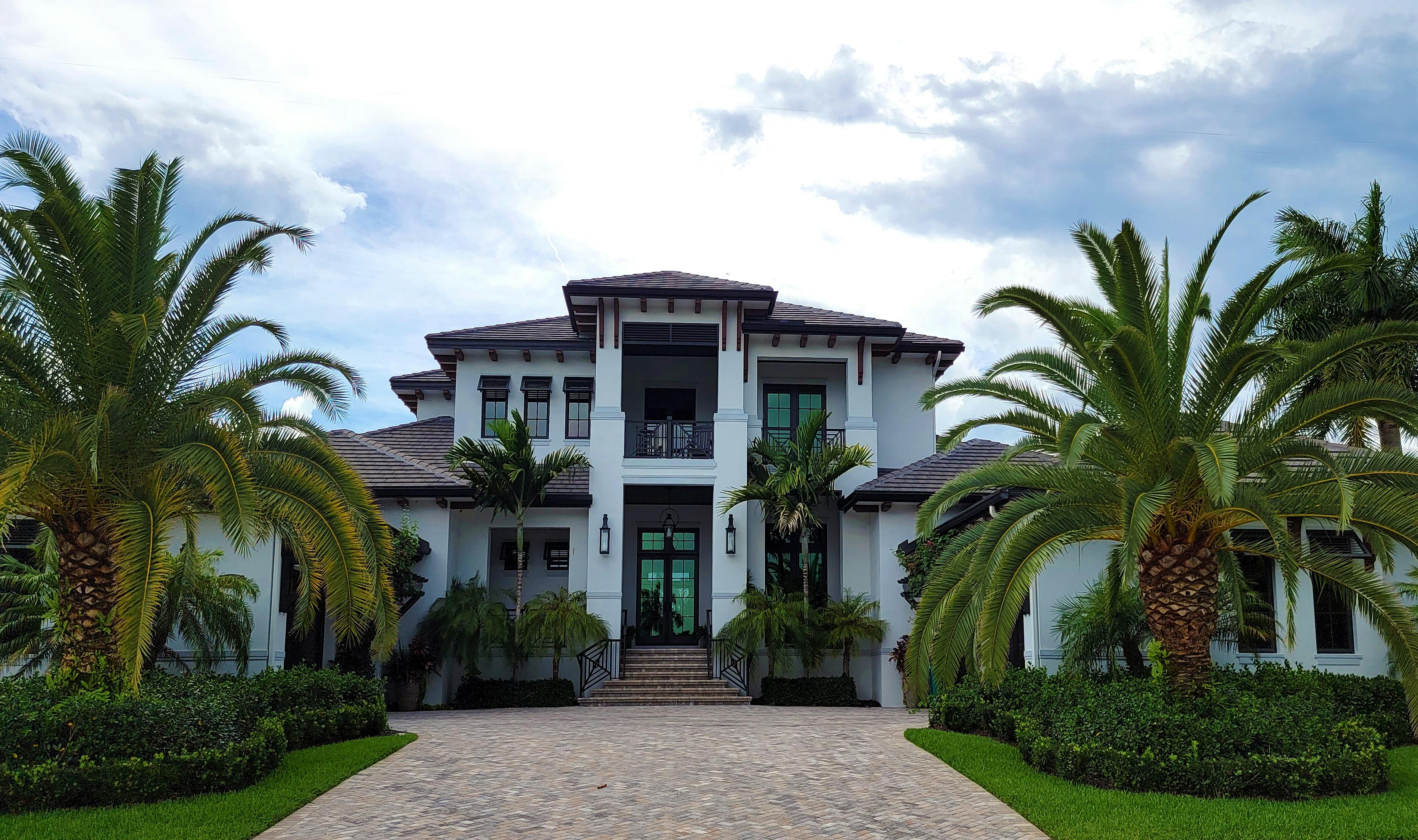
Alanton Virginia Beach: A History Dating Back to 1637
The History of Alanton Virginia Beach: From a 1637 Royal Land Grant to Hampton Roads' Most Coveted Neighborhood
Most neighborhoods have a history. Very few have one that stretches back nearly four centuries to a royal land grant from the King of England. Alanton, Virginia Beach is one of those rare places where the land itself carries a story worth knowing, and where that history is still visible today in the streets, the homes, and the community that has grown up around it.
This is the full story of how Alanton came to be, and why its past is inseparable from what makes it one of the most sought after addresses in Hampton Roads.
Thinking about buying or selling in Alanton? Start with my Alanton homes and waterfront guide or see Hampton Roads waterfront homes. Questions? Call or text John King at (757) 270-3994.
The 1637 Royal Land Grant
The story of Alanton begins in 1637, when the King of England granted land in what is now Virginia Beach to Henry Woodhouse. The grant covered the peninsula between Broad Bay and Linkhorn Bay, a piece of ground that would remain remarkably intact and largely undivided for the next three centuries.
Woodhouse Road, still the main artery leading into Alanton today, carries Henry Woodhouse's name. It is one of the few places in all of Virginia Beach where a street name connects directly to the original colonial land grant holder, and it signals something important about this neighborhood: its history has not been paved over or forgotten. It is still here, present in the landscape.
Henry Woodhouse III came to Virginia in 1630 and built his home shortly after receiving the 1637 grant of 500 acres. He was a member of the first Lynnhaven Parish Vestry from 1642 to 1643. Generation after generation of the Woodhouse family helped shape the early history of Lynnhaven Parish, and the land that would eventually become Alanton remained at the center of that story for most of the 17th and 18th centuries.
Centuries of Farming on the Peninsula
Following the original grant, the land that is now Alanton was used primarily for farming for the next two and a half centuries. The peninsula between Broad Bay and Linkhorn Bay was some of the most productive agricultural ground in what was then Princess Anne County. Sheltered from Atlantic storms, watered by tidal creeks, and positioned within easy reach of the Lynnhaven oyster trade, it was land that sustained families across generations.
The property changed hands several times over these centuries but never departed from its agricultural character. One structure from this era that still survives is a house built in the 1830s. When the McCullough family arrived in the early 1920s, they moved into this house, which they called Old Comfort. It stands today as a private residence, making it one of the oldest surviving structures in the neighborhood and a direct physical link to Alanton's pre-subdivision past.
The McCullough Family and the Birth of Alanton
In the early 1920s the McCullough family purchased a piece of the original Woodhouse tract and moved into the existing structures on the property. At the time there were only three buildings on the land. The neighborhood as it exists today had not yet been imagined.
When the time came to subdivide the land and give the new community a name, Mr. McCullough chose to honor his son Alan, who went on to become a prominent Virginia architect known for his modernistic design style. The neighborhood was formally named Alanton around 1923, a name derived from Alan McCullough's own. It is a naming origin that still surprises many residents: Alanton was not named after a geographic feature or a historical concept but after a real person whose family shaped the ground it stands on.
The development of Alanton took place slowly over several decades. This deliberate pace is part of what gives the neighborhood its distinctive character today. Homes were not built all at once from a master plan. They were built individually over time, by different owners, in different styles, across different eras. The result is a neighborhood with architectural variety and depth that no single period subdivision can replicate.
A Neighborhood Built Over Decades
Because development in Alanton unfolded across so many years, the homes here reflect a remarkable range of architectural eras and styles. The oldest homes date to the early decades of the 20th century and include Colonial Revivals and traditional farmhouse influenced designs from the 1920s and 1930s. The postwar decades brought Cape Cods, Dutch colonials, and the ranch style homes that defined 1950s and 1960s American residential architecture. Later decades added larger custom homes, brick estates, and the modern waterfront builds that now represent the neighborhood's highest price points.
Many of the homes in Alanton sit on lots of one acre or more. This is not an accident of the original subdivision plan. It reflects both the scale of the original Woodhouse tract and the deliberate decision by the McCullough family and subsequent developers to prioritize space, privacy, and character over density. Those lot sizes are now irreplaceable. There is no new land in Alanton. The neighborhood is fully built out, and the combination of large lots, mature trees, and architectural variety cannot be manufactured elsewhere at any price.
Several streets in Alanton are lined with mature trees that have been growing for decades, some for nearly a century. The landscaped entryway off Woodhouse Road frames the arrival experience in a way that immediately signals you are somewhere different from the surrounding development. That entryway is not coincidental. It reflects a neighborhood that has always taken its identity seriously.
Old Comfort: A Living Connection to Alanton's Past
The house called Old Comfort, built in the 1830s and still standing today as a private residence in Alanton, is one of the most tangible connections to the neighborhood's pre-subdivision history. When the McCullough family arrived in the 1920s and moved into this structure, they became the latest in a line of occupants stretching back nearly two centuries on the same piece of ground.
The survival of Old Comfort into the present is a reminder that Alanton's history is not simply a story told in archives and old records. It is physically present in the neighborhood today, on the same streets where residents walk and children ride bikes in the summer.
Alanton in the Modern Era
By the mid 20th century Alanton had grown into a recognized and established neighborhood within the Great Neck Corridor of Virginia Beach. The Alanton Civic League became one of the most active neighborhood organizations in the city, representing families who were not simply living in a convenient location but investing in a community with a genuine shared identity.
The Alanton Baycliff Recreation Center became the neighborhood's social hub, hosting generations of summer swimmers and community gatherings over more than 50 years. The annual 4th of July parade became a neighborhood tradition that has outlasted countless trends in how people live and what they value. The Alanton Garden Club has maintained the camellias and azaleas that give the streets their distinctive seasonal beauty.
These are not amenities that were installed by a developer and handed over to residents. They are institutions that residents built themselves over decades, reflecting the kind of long term investment in community that only happens when people intend to stay.
Why History Matters in a Real Estate Decision
For buyers evaluating Alanton, the history of the neighborhood is not merely a piece of interesting background. It is a meaningful signal about what kind of place this is and what kind of community you would be joining.
Neighborhoods with deep roots tend to attract people who value stability, community, and long term thinking over short term convenience. The 93% homeownership rate in Alanton reflects that value system in a concrete way. The fact that the street you drive in on still carries the name of a 1637 land grant holder is a signal about how seriously this community takes its identity and its continuity.
Alanton does not feel like a neighborhood that was built and left to run itself. It feels like a place that has been cared for over a very long time by people who understood what they had.
If you are considering buying or selling in Alanton, I live here and work this market every day. Call or text me at 757-270-3994 and let's talk.
Want to explore this area with a local agent? See my full home buying process, backed by 441 closings across 13 years of Hampton Roads data.
About the Author
John King is a Navy veteran and licensed real estate agent with Berkshire Hathaway RW Towne Realty, serving Hampton Roads including Virginia Beach, Norfolk, and Chesapeake. Known for straightforward approach and market expertise.
📞 757-270-3994 📧 [email protected] 🌐 www.757King.com
Curious what your home is worth in today's market? Get a free home valuation and find out where you stand.
Related guides from John King
Written by John King, Navy veteran & REALTOR®, Berkshire Hathaway HomeServices RW Towne Realty · (757) 270-3994 · About John
